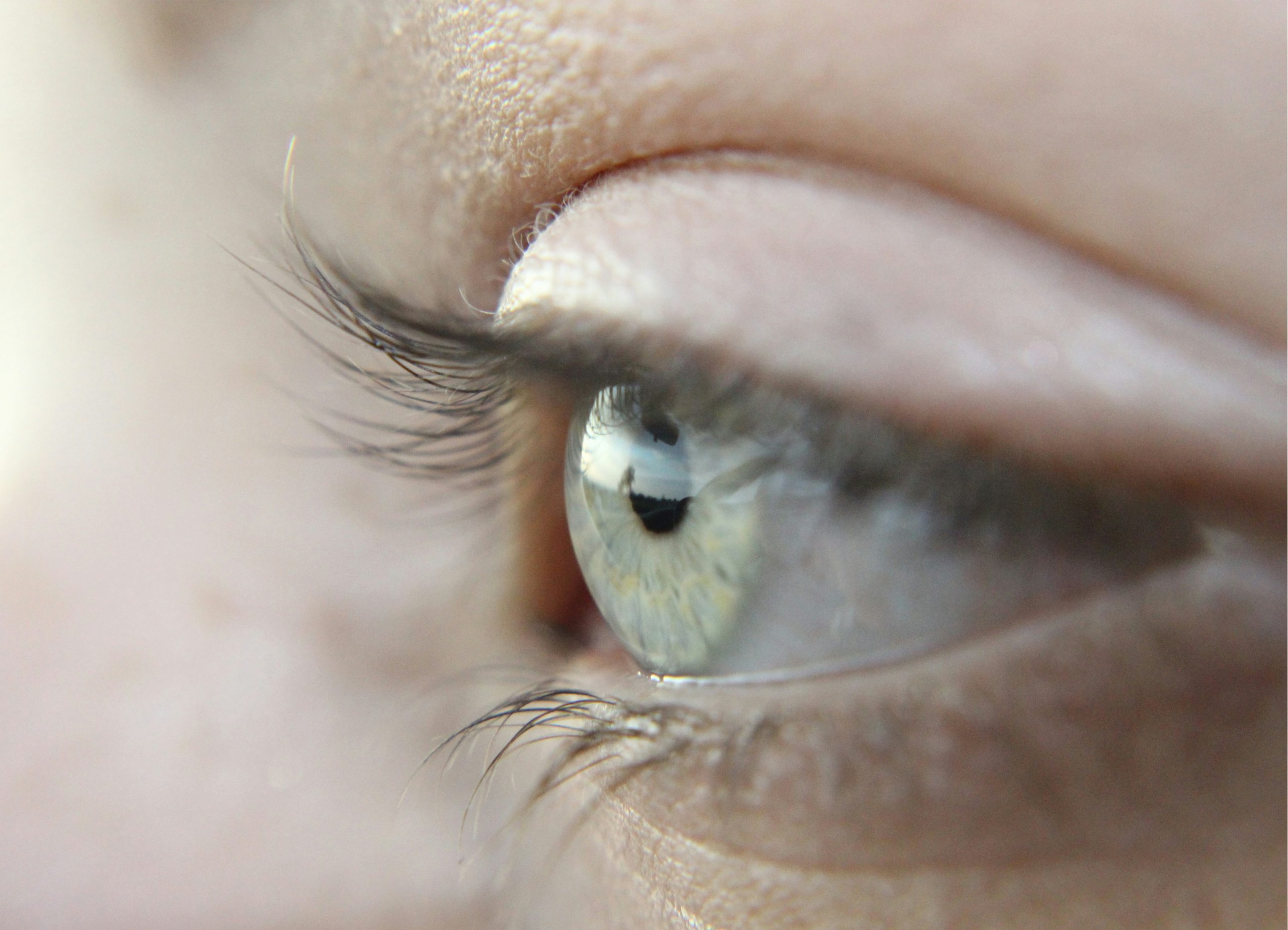










That little flutter under one eye usually comes from the muscle that closes your eyelid. It’s called eyelid myokymia. It most often affects the lower lid and can come and go for a few days before settling on its own.[1, 2]
What sets off an eyelid twitch?
A few short nights, a stressful week or more caffeine than usual can bring on a twitch. Dryness and irritation can play a part, too. Mention any grittiness or stinging at your eye exam.[2, 3]
Can screen time make your eyelid twitch?
Long stretches at a screen can leave your eyes tired and dry. You tend to blink less when you’re looking at a screen, so your tears get fewer chances to spread across the surface of your eyes.[4]
A 2024 study in Cureus compared 206 adults. Those who’d had eyelid twitching for more than two weeks reported about seven hours of screen time a day, compared with about five hours in the group without twitching. The study tracked people’s usual habits. Whether cutting back on screen time helps a twitch settle is still an open question.[5]
How can you get a twitch to settle?
- Give yourself a chance to catch up on sleep. If you’ve had a run of late nights, try getting to bed earlier for a few nights. If you’ve been drinking more caffeine than usual, swap an afternoon coffee for decaf.[2]
- Take a break from close-up work. The 20-20-20 rule is an easy reminder. Every 20 minutes, look at something about six metres away for 20 seconds. Take a moment to blink fully, too.[4]
- Soothe dry, gritty eyes. Lubricating eye drops can help with dryness. If you use drops while wearing contacts, check that the label says they’re suitable for use with contact lenses.[3, 6]
Can magnesium help?
Two studies found similar average blood magnesium levels in people with and without eyelid twitching. An eyelid flutter on its own gives you little information about your magnesium level. The studies measured blood levels, so whether taking a supplement helps an ordinary eyelid twitch remains uncertain.[5, 7]
When should you get an eye twitch checked?
If the twitch keeps coming back for more than a few days, book an exam with your optometrist. They can check for dry eye, eyelid irritation or another cause.[8, 9]
Call sooner if the twitch squeezes your eye shut, you have trouble opening it, or the movement spreads to your cheek or mouth. Mention any eyelid drooping, redness, swelling or discharge, too.[2]
If what you’re looking at seems to jump or shake during an episode, tell your eye doctor. That sensation can come from movement of the eye itself. Get urgent medical care for sudden double vision, sudden vision loss or severe eye pain.[10, 11]
Sources
- American Optometric Association. “Myokymia (eyelid twitch or tic).”
- Mayo Clinic. “Eye twitching.”
- Canadian Association of Optometrists. “Dry Eye (Ocular Surface Disease).”
- Canadian Association of Optometrists. “Computer Vision Syndrome (Digital Eye Strain).”
- Irfan B. Gunes. “Association Between Eyelid Twitching and Digital Screen Time, Uncorrected Refractive Error, Intraocular Pressure, and Blood Electrolyte Imbalances.” Cureus, 2024.
- VisionPros Canada. “Why Do My Contacts Feel Dry? (And How to Fix It).”
- Jeongyeon Kim and colleagues. “Will Hypomagnesemia Induce Benign Eyelid Myokymia?” Korean Journal of Health Promotion, 2021.
- Canadian Association of Optometrists. “Eyelid Twitches.”
- MyHealth Alberta. “Learning About Eyelid Twitching.”
- Johannes Gerb and colleagues. “Superior oblique myokymia: diagnostic criteria and long-term outcome.” Journal of Neurology, 2026.
- HealthLink BC. “Eye Problems, Non-Injury.”