








The history of contact lenses
Seven questions people ask, each answered with the history behind it. Including when Canadians could finally buy them.
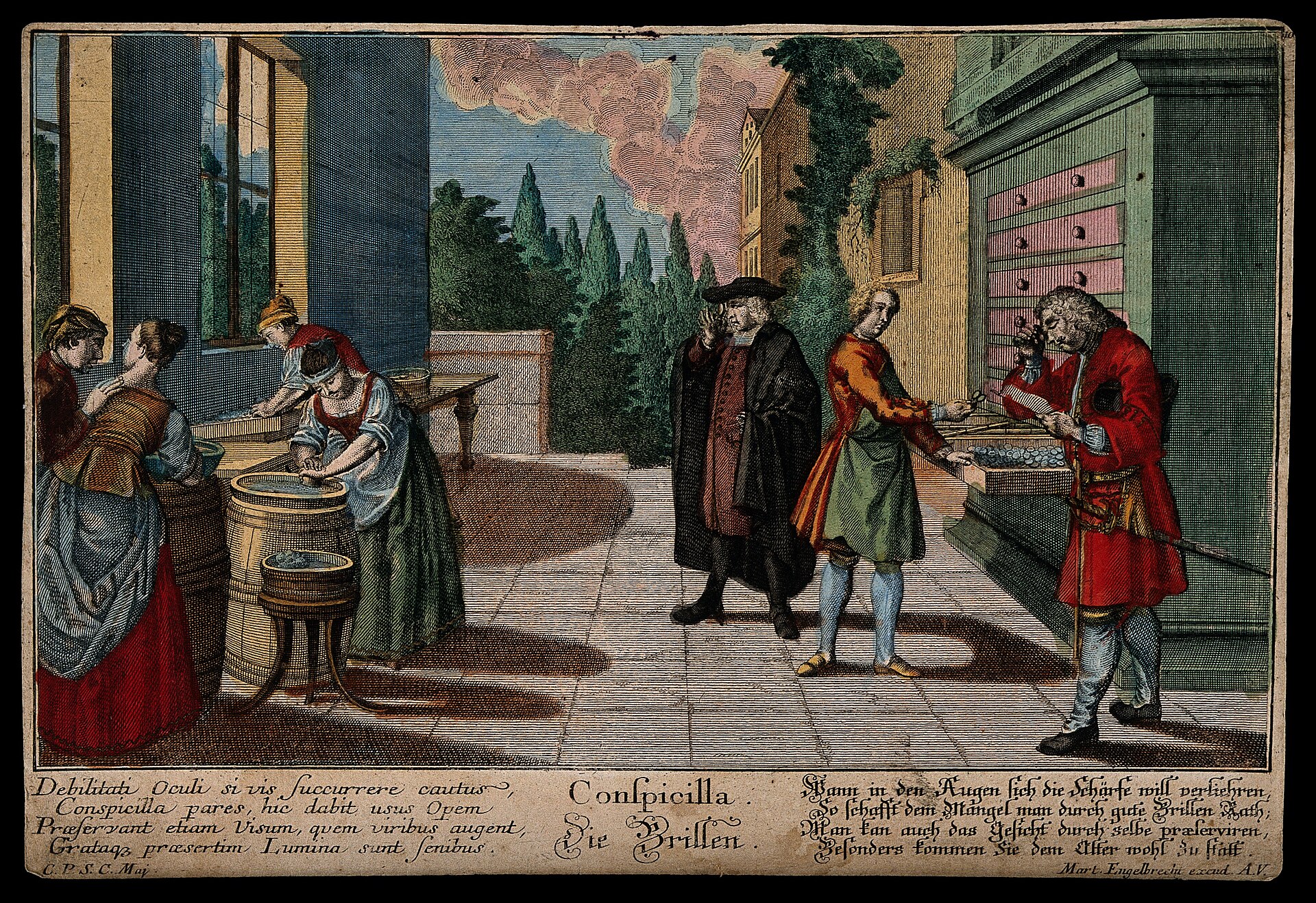
Jump to question oneWellcome Collection V0015859. CC BY 4.0
Nobody invented contact lenses.
Not one person, and not in one year. The lens you put in this morning is what four separate problems look like once they’ve all been solved, by different people, across five centuries.
So who gets the credit?
The honest answer is four people, in three years, who mostly didn’t know about each other.
Short answer: Adolf Eugen Fick published the first systematic fitting experiments in 1888. Eugène Kalt fitted lenses for a medical condition the same year. August Müller was the first to correct his own eyesight with one, in 1889.
Leonardo da Vinci gets named constantly, and he doesn’t deserve it. His notebook sheet from around 1508 works out what happens to vision when the eye sits behind water. He suggested putting your face in a bowl. That’s a note about optics, not a wearable object.
Descartes did something similar in 1637 with a water-filled tube held against the eye. It moves the refracting surface onto the cornea, which is the right idea, but the tube sticks out several inches and you can’t blink. Thomas Young built a version in 1801 to study how the eye focuses, not to correct anyone’s sight.
The first person to describe a real contact lens was John Herschel in 1845. He proposed taking an impression of the eye and filling a moulded glass shell with a clear jelly. He never built it. He simply wrote down, correctly, what would have to happen.
Then three people did it at once
In 1887 a German glassblower named Friedrich Anton Müller made a thin glass shell to protect a patient’s diseased eye. It corrected nothing, but somebody was finally wearing glass on an eye for a medical reason.
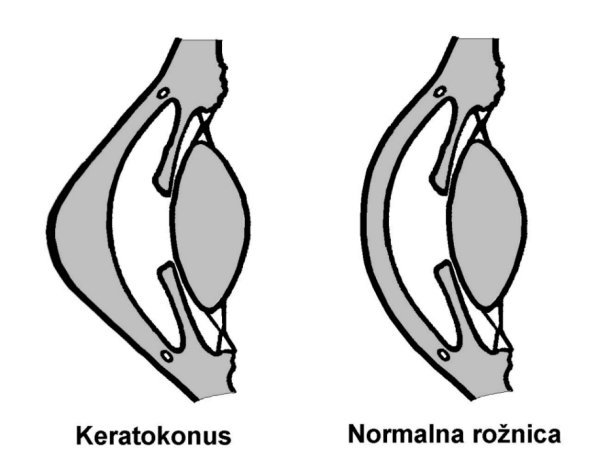
A year later Adolf Eugen Fick published the first systematic experiments, working on rabbits, then himself, then volunteers. In Paris, Eugène Kalt independently fitted glass shells for patients with keratoconus, a cornea that bulges into a cone shape. And in 1889 a short-sighted medical student named August Müller had a powered glass lens made, wore it himself, and wrote his dissertation about it.
Protection, then treatment, then correction. Three different goals in three years. There’s no single inventor because there wasn’t a single problem.
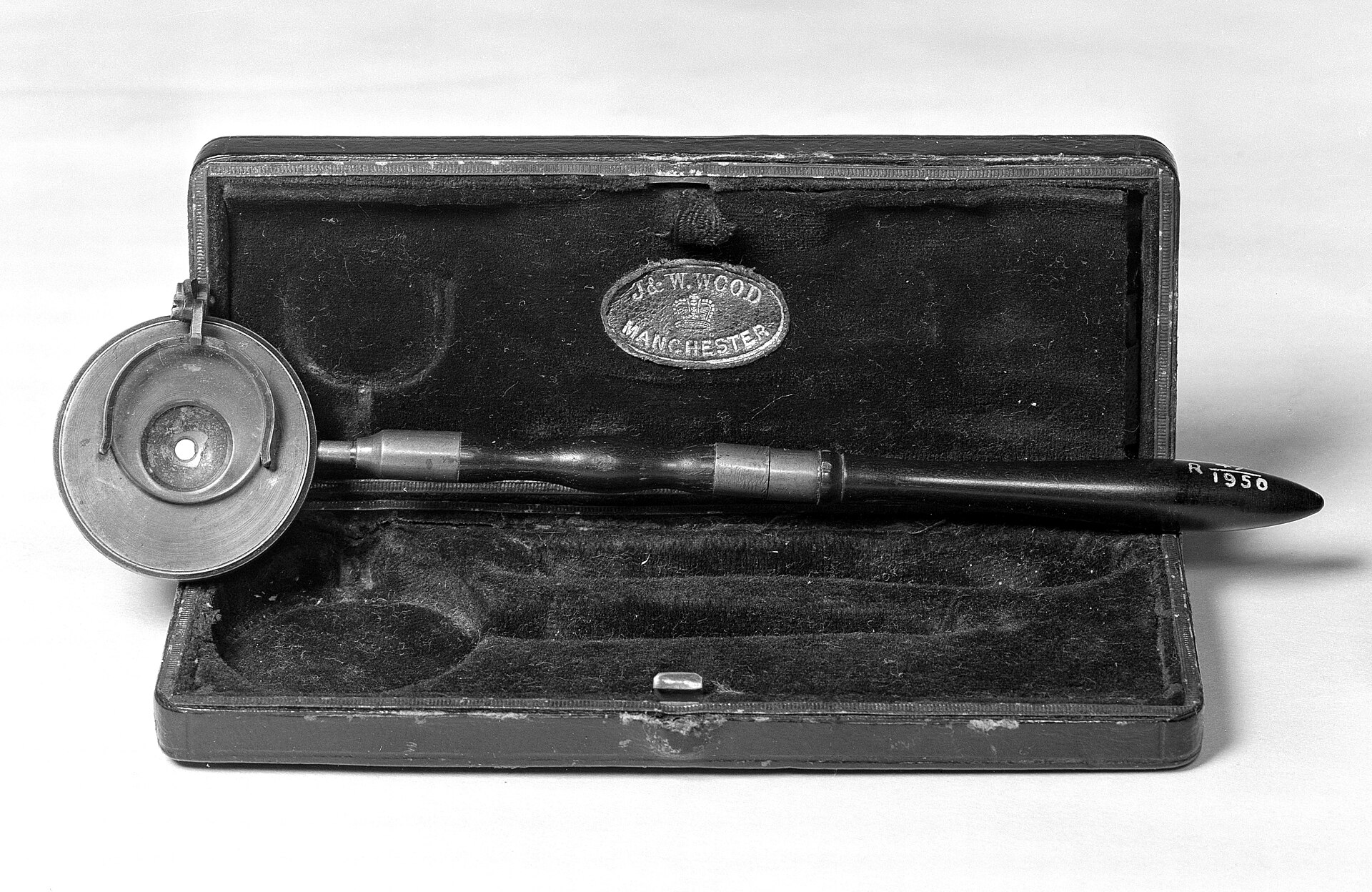
Wellcome Collection M0018844. CC BY 4.0
CC BY-SA 3.0, via Wikimedia Commons.
What were the first ones made of?
Four materials, in order. Each one fixed the problem the last one couldn’t, and introduced a new one.
Blown and ground glass
Hand-blown, then ground to a curve. It sat on the white of the eye because glass couldn’t be made thin or precise enough to balance on the cornea alone. Comfortable for a couple of hours at most.
Problem it solved: putting a corrective surface on the eye at all.
Problem it created: the eye couldn’t tolerate it for long.
- Diameter
- ~23 mm
- Oxygen through it
- None
- Water content
- 0 %
- Typical wear
- 2-4 hours
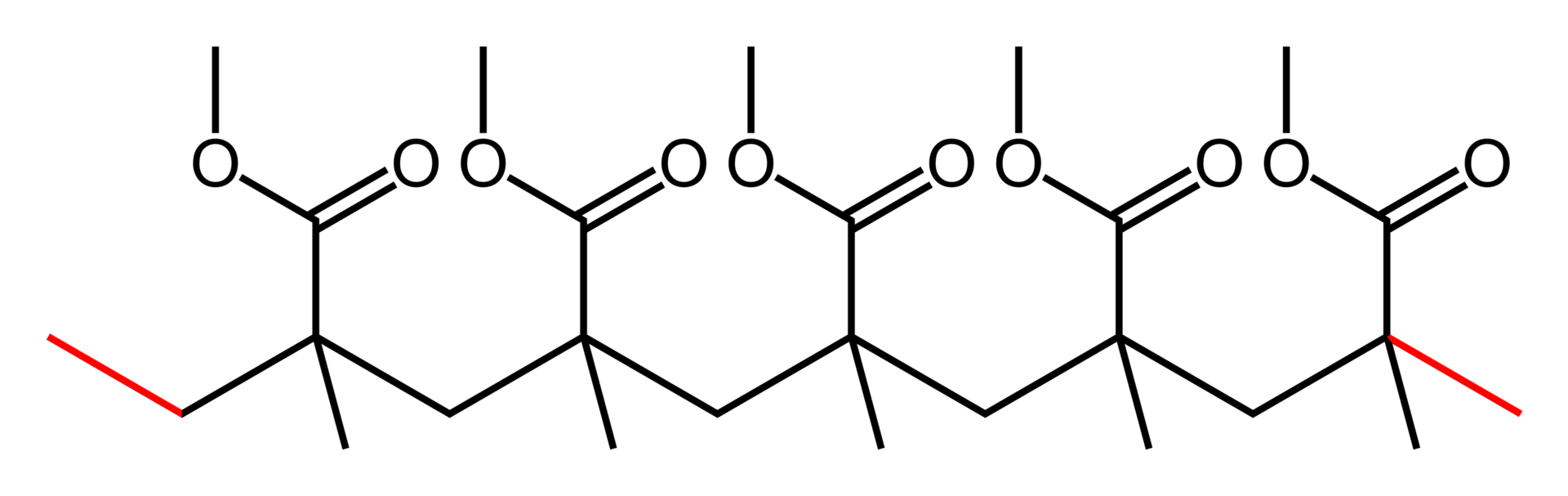
PMMA, a hard plastic
Polymethyl methacrylate could be machined far more precisely than glass, so the lens shrank until it rested on the cornea alone and floated on your tear film. Blinking moved fresh tears underneath it.
Problem it solved: all-day wear became possible.
Problem it created: PMMA passes essentially no oxygen.
- Diameter
- ~9.5 mm
- Oxygen through it
- Near zero
- Water content
- 0 %
- Typical wear
- All day
Soft hydrogel
Otto Wichterle’s water-loving polymer, pHEMA, holds water and stays soft against living tissue. Suddenly a lens could be comfortable within minutes instead of requiring weeks of adaptation.
Problem it solved: comfort, immediately.
Problem it created: still not enough oxygen for safe overnight wear.
- Diameter
- ~14 mm
- Oxygen through it
- Low
- Water content
- ~38 %
- Typical wear
- Daily
Silicone hydrogel
Silicone carries oxygen far better than water does, so combining it with a hydrogel gave a lens that’s soft and breathable at the same time. This is what most lenses sold today are made of, including almost everything on our shelves.
Problem it solved: oxygen, properly.
Problem it created: early versions were stiffer and attracted more deposits.
- Diameter
- ~14.2 mm
- Oxygen through it
- High
- Water content
- ~24-46 %
- Typical wear
- Daily to extended
Public domain, via Wikimedia Commons.
Why were the early ones so big?
Because glass couldn’t be made small and accurate enough to balance on the cornea by itself.
Short answer: The first lenses were about 23 mm across and rested on the white of the eye. Once plastic could be machined precisely, the lens shrank to roughly 9.5 mm and sat on the cornea instead.
A scleral lens covers the whole visible eye. It has to, because it’s being supported by the sclera rather than balanced on the cornea. That means it clamps in place, your eyelid can’t slide over it properly, and tears don’t circulate underneath.
Shrinking it changed everything at once. A corneal lens floats on the tear film, moves slightly with every blink, and lets fresh tears wash under it. That single change is what made contact lenses something you could wear to work rather than something you endured for an afternoon.
Bars are drawn in true proportion to one another. Sizes are typical, and your own fitting will differ.
CC BY 4.0, via Wikimedia Commons.
When did they stop hurting?
Comfort arrived in 1971. Safe overnight wear took another twenty-eight years.
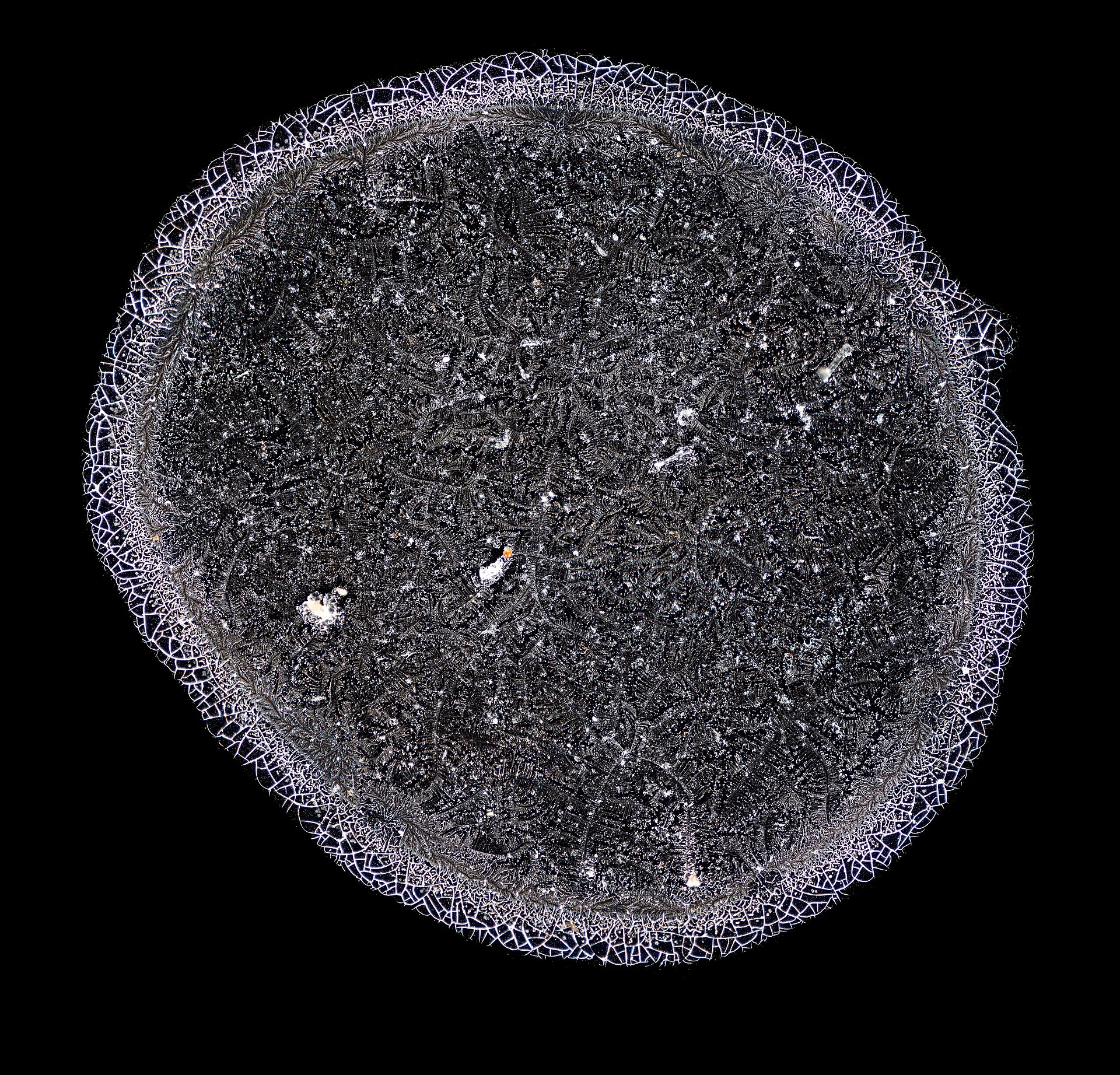
Short answer: Soft hydrogel lenses reached the market in 1971 and were comfortable within minutes. Silicone hydrogels arrived around 1999 and finally let enough oxygen through for extended wear.
Here’s the thing that surprises people. Your cornea has no blood vessels at all. It’s the only tissue in your body of that size that takes its oxygen straight from the air. Put anything on top of it and you’re standing between the cornea and its air supply.
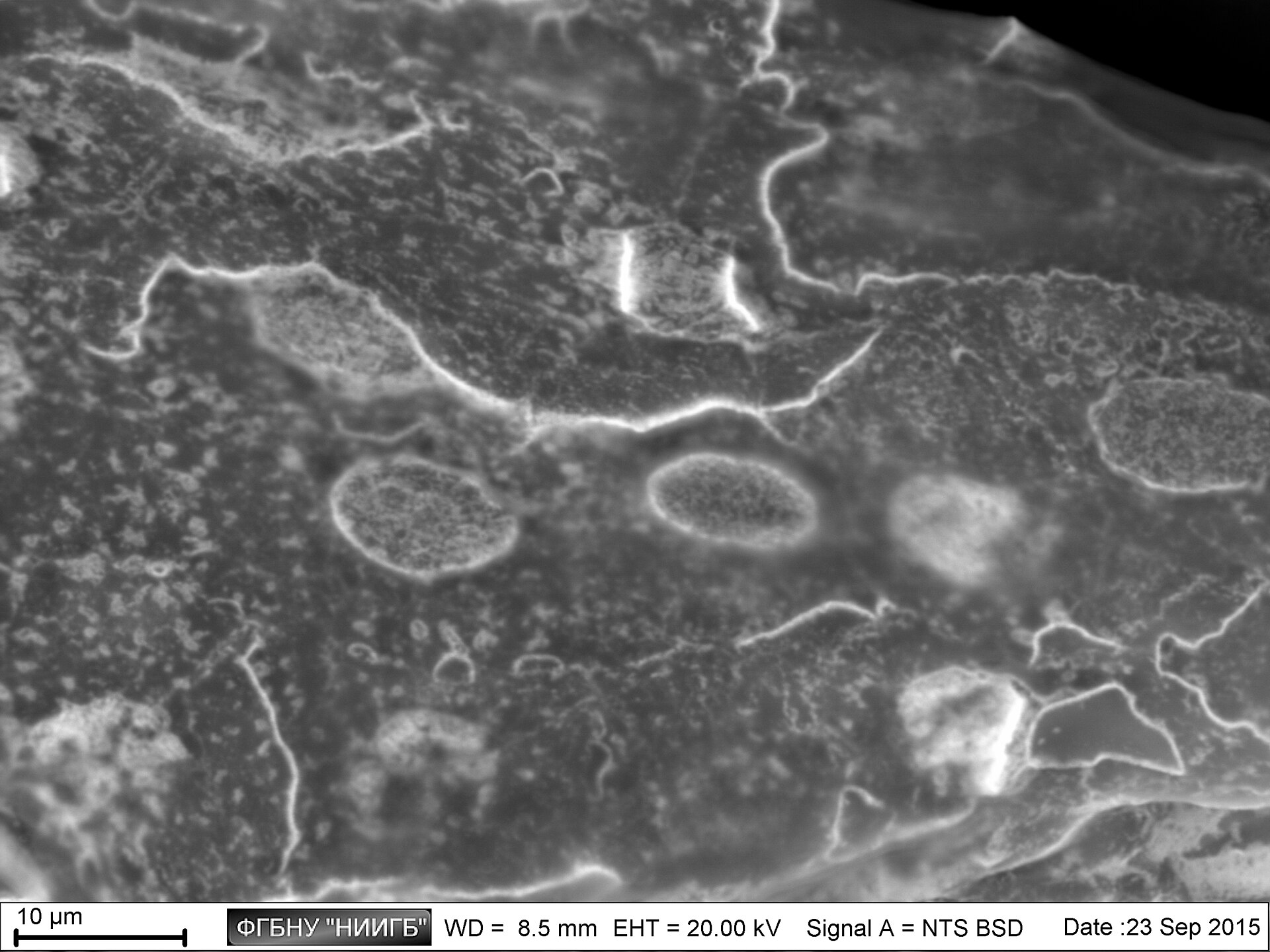
PMMA lenses passed almost none. Wearers adapted over weeks, and some paid for it with corneal swelling. The fixes came from two directions. Rigid gas-permeable materials, built on Norman Gaylord’s silicone-acrylate patent from 1974, kept the hard lens but let it breathe. Then silicone hydrogels combined softness with oxygen transmission and became the default.
Why soft lenses took seventeen years to arrive
Otto Wichterle and Drahoslav Lím developed the pHEMA hydrogel in 1954 and published on it in Nature in 1960. Having the material wasn’t the same as having a lens. Turning a gel into a repeatable optical surface took until 1961, when Wichterle built a spin-casting rig at home from his son’s construction set. Commercial approval followed in 1971.
CC BY-SA 4.0, via Wikimedia Commons.
How did they get so cheap?
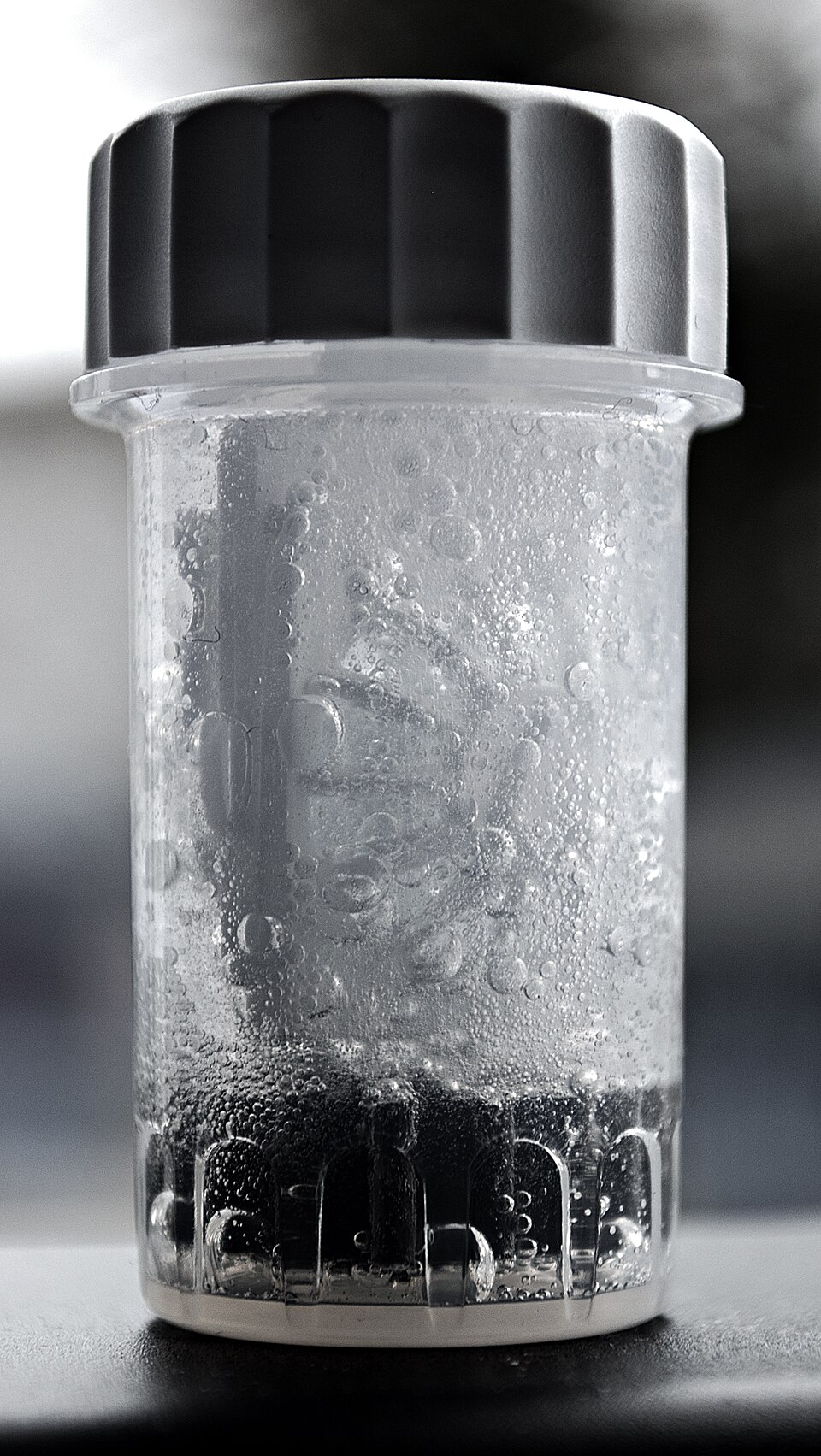
Disposability. Once a lens was designed to be thrown away, it could be made by the million instead of fitted one at a time.
Bausch + Lomb’s SofLens becomes the first mass-produced soft lens approved in North America.
Danalens launches in Denmark as the first lens made and sold as disposable.
Acuvue brings scheduled replacement to the mass market and the economics change for good.
Single-use dailies spread from regional launches to wide international availability.
Silicone hydrogels arrive, and comfort stops being a trade-off against safety.
CC BY-SA 4.0, via Wikimedia Commons.
Before disposables, a lens was an object you owned. You cleaned it, stored it, and kept it for a year or more. Cleaning regimens were fussy, deposits built up, and a lost lens was an expensive afternoon.
Designing a lens to be discarded flipped the whole model. Manufacturing moved to high volume, the per-lens cost fell, and the health problem of ageing deposits mostly disappeared because nothing stayed in your eye long enough to age.
That’s also why the shelf you shop from today looks the way it does. Dailies, two-weeklies and monthlies aren’t marketing tiers. They’re the replacement schedules that survived once manufacturing could support them.
If you’ve ever wondered why a box holds thirty lenses rather than one, this is the answer. The box is the product now.
When could Canadians buy them?
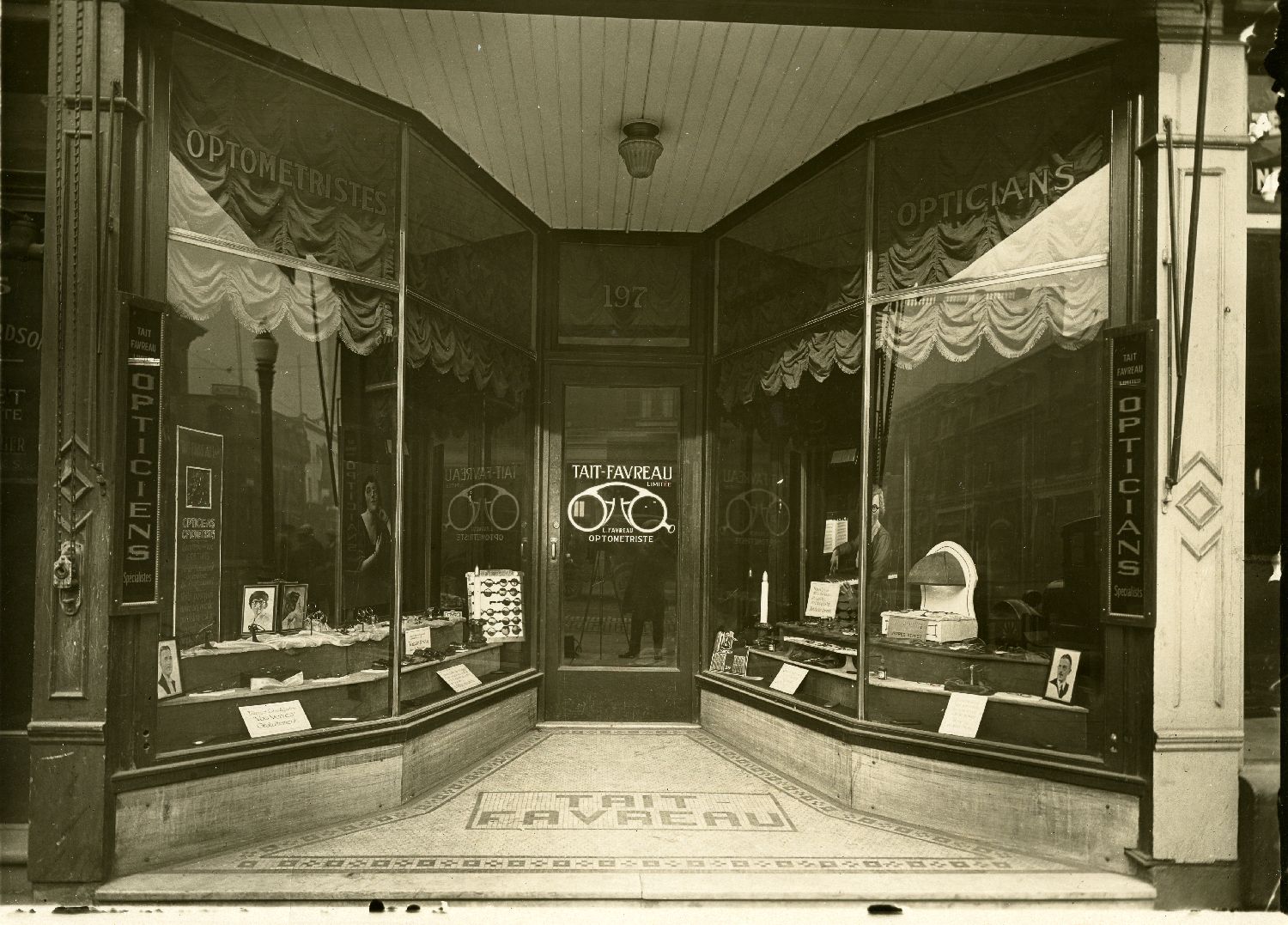
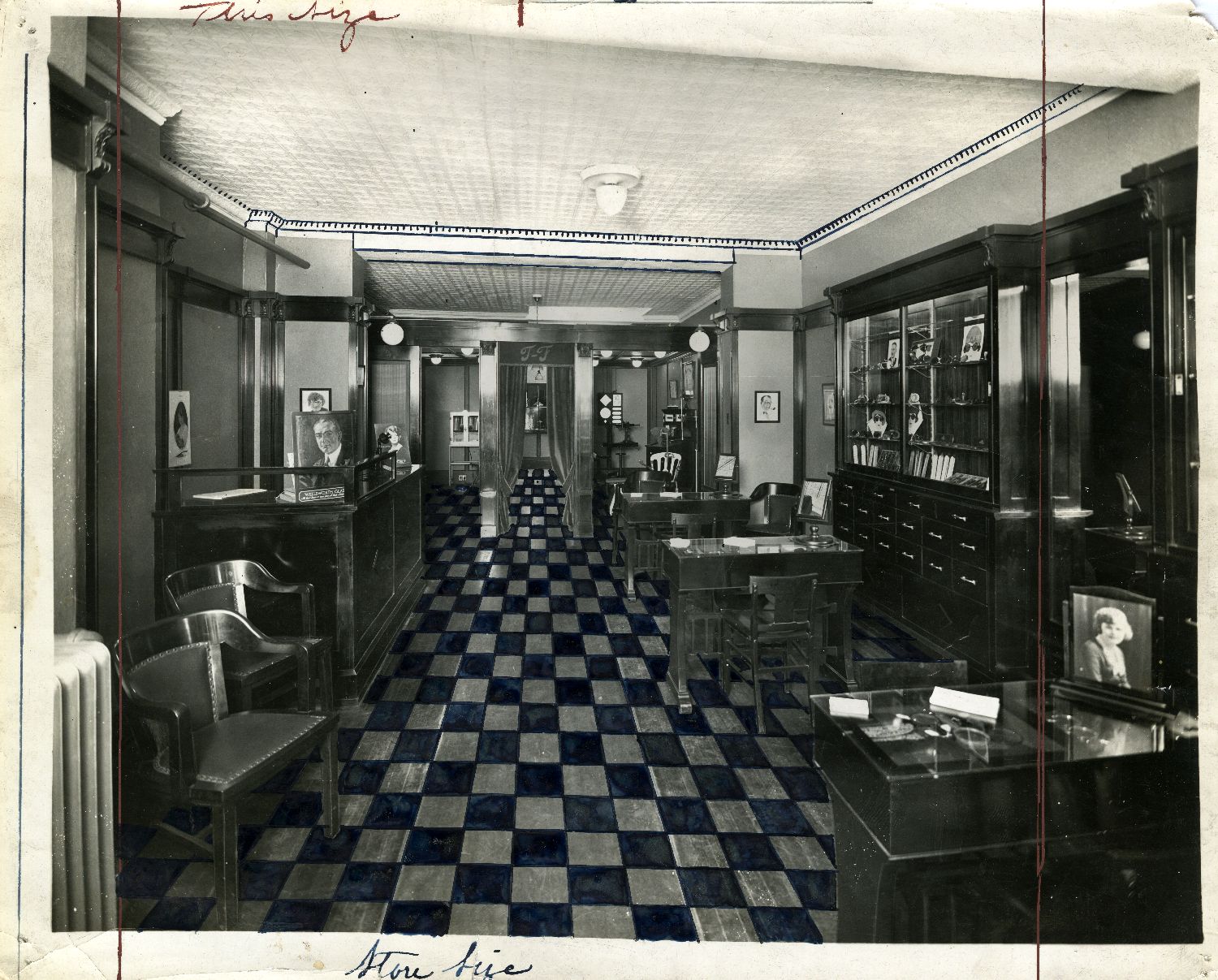
Wearing them is one history. Being allowed to buy them the way you buy them now is a much shorter and more Canadian one.
BAnQ P748S1P2750. Public domain.
BAnQ P748S1P2752. Public domain.
Short answer: Soft lenses reached Canadian practitioners through the 1970s. Buying them online without handing over a paper prescription started in British Columbia in 2010, and the rules still differ by province.
Canada regulates contact lenses federally as medical devices, and dispenses them provincially. That split explains almost everything about how buying lenses here works.
On the federal side, Health Canada licenses every contact lens sold in the country as a Class II medical device. Importers and distributors need their own establishment licence on top of that. It’s why a lens legally on sale in Canada isn’t automatically the same catalogue you’d see in the United States.
Then British Columbia moved first
On 1 May 2010, British Columbia removed the requirement to produce a written prescription or sit an eye test in store before buying lenses and glasses online. The province also let opticians issue prescriptions independently. The optometrists’ association objected. The health minister’s argument was that a decades-old system hadn’t kept up with how people shop.
Cosmetic lenses took until 2016
This is the part most people find surprising. Health Canada assessed non-corrective coloured lenses back in 2003 and concluded the hazards were the same as for corrective ones, including corneal scratches and infection. They stayed unregulated consumer goods for another decade.
What changed it was Bill C-313, a private member’s bill amending the Food and Drugs Act. The amending regulations were registered on 16 July 2015, decorative lenses became Class II medical devices on 16 July 2016, and enforcement began a year after that. The United States had done the same thing in 2005. Canada took eleven more years.
So if you bought novelty lenses at a Canadian costume shop before 2016, nobody was checking. Today they carry the same licensing requirement as the lenses in your prescription.
Dispensing is still provincial, and the rules aren’t identical. In Ontario, only licensed opticians, optometrists and physicians can dispense. We’ve written a fuller guide on how to buy contact lenses online in Canada if you want the current requirements rather than the history.
British Columbia opens up
Written prescriptions no longer required to buy lenses or glasses online in the province, and opticians can issue prescriptions on their own.
Cosmetic lenses become devices
Decorative lenses are classified Class II under the Medical Devices Regulations, thirteen years after Health Canada first flagged the risk.
Federal product, provincial counter
Health Canada licenses the lens. Your province decides who’s allowed to dispense it and what they need to see first.
What can a lens do now?
For five centuries a contact lens was a passive piece of optics. In the last twenty years it started doing other jobs.
Short answer: Reshape your cornea overnight, record eye-pressure changes for a day, darken in sunlight, slow the progression of childhood myopia, and release an allergy drug while you wear it.
Reshape
Orthokeratology lenses are worn overnight and flatten the cornea slightly so you see without correction during the day. The effect wears off, so it has to be repeated every night. Paragon CRT received approval for overnight corneal reshaping in 2002.
Measure
The Triggerfish sensor was permitted for marketing in 2016. It records corneal changes related to eye pressure across a single 24-hour period. That’s a one-day diagnostic recording, not a continuous glaucoma monitor, and the difference between those two descriptions is the entire claim.
Adapt
A photochromic contact lens cleared in 2018 changes how much light it absorbs in response to UV and visible light. The lens adapts. Your prescription doesn’t change.
Slow something down
MiSight 1 day was approved in 2019 to slow the progression of myopia in children who are between 8 and 12 years old when first fitted. That age range is part of the approval, not a detail underneath it. It’s the first time a contact lens was cleared to change the course of a condition rather than compensate for it.
Deliver a drug
In 2022 a ketotifen-releasing lens became the first approved drug-eluting contact lens, treating itch from allergic conjunctivitis while correcting vision at the same time. One object doing two jobs.
Approval dates above are United States approvals, which is where most of these were cleared first. Availability in Canada depends on Health Canada licensing and can differ. Check what’s licensed here before assuming you can buy it.
More answers
Who invented contact lenses?
No single person. Adolf Eugen Fick published the first systematic fitting experiments in 1888, Eugène Kalt fitted lenses for keratoconus the same year, and August Müller corrected his own short-sightedness with one in 1889.
Did Leonardo da Vinci invent them?
No. His 1508 notebook works out what happens to vision when the eye sits behind water. It’s a note about optics, and he never proposed a wearable object.
What were the first contact lenses made of?
Blown and ground glass. Acrylic plastic arrived in 1938, all-plastic corneal lenses around 1948, soft water-based hydrogels in the 1960s, and silicone hydrogels around 1999.
When were soft contact lenses invented?
The pHEMA material was developed by Otto Wichterle and Drahoslav Lím in 1954. Wichterle spun the first usable soft lenses in 1961, and commercial approval in North America came in 1971.
Are contact lenses regulated in Canada?
Yes. Health Canada licenses them as Class II medical devices, corrective and cosmetic alike. Decorative lenses came under that rule on 16 July 2016. Who may dispense them is decided by your province.
Why do the first lenses look so large?
Glass couldn’t be made thin or accurate enough to balance on the cornea, so early lenses were roughly 23 mm and rested on the white of the eye. Machinable plastic brought that down to about 9.5 mm.
Where this comes from
Canadian regulatory dates come from the Health Canada notice on decorative contact lenses and the Canada Gazette record for SOR/2015-193. The British Columbia change is reported in Review of Optometry. Material and chronology detail draws on the British Optical Association Museum at the College of Optometrists, EyeWiki, Wichterle and Lím’s 1960 paper in Nature, and manufacturer approval records.
Where two credible sources give different years, we’ve shown a range rather than picking a winner. This page is history, not fitting advice. A contact lens is a medical device, and what suits your eyes comes from an eye-care professional who has examined them.
Five centuries later, it ships to your door.
Everything on this page was hand-ground for one patient at a time, within living memory of some of these dates. The lens Wichterle spun on a kitchen table now arrives in a box of thirty.