









Watching a hockey game can leave your eyes feeling scratchy, irritated or unusually watery. You might notice the discomfort while sitting in the stands, walking through a cold arena entrance or heading home after the game. The rink environment, winter weather and moving air can all affect how comfortable your eyes feel.
Dryness doesn’t necessarily mean you have dry eye disease. However, low humidity and air blowing toward your face can speed up tear evaporation, leaving your eyes feeling uncomfortable.
Why Arena Air Can Leave Your Eyes Feeling Dry
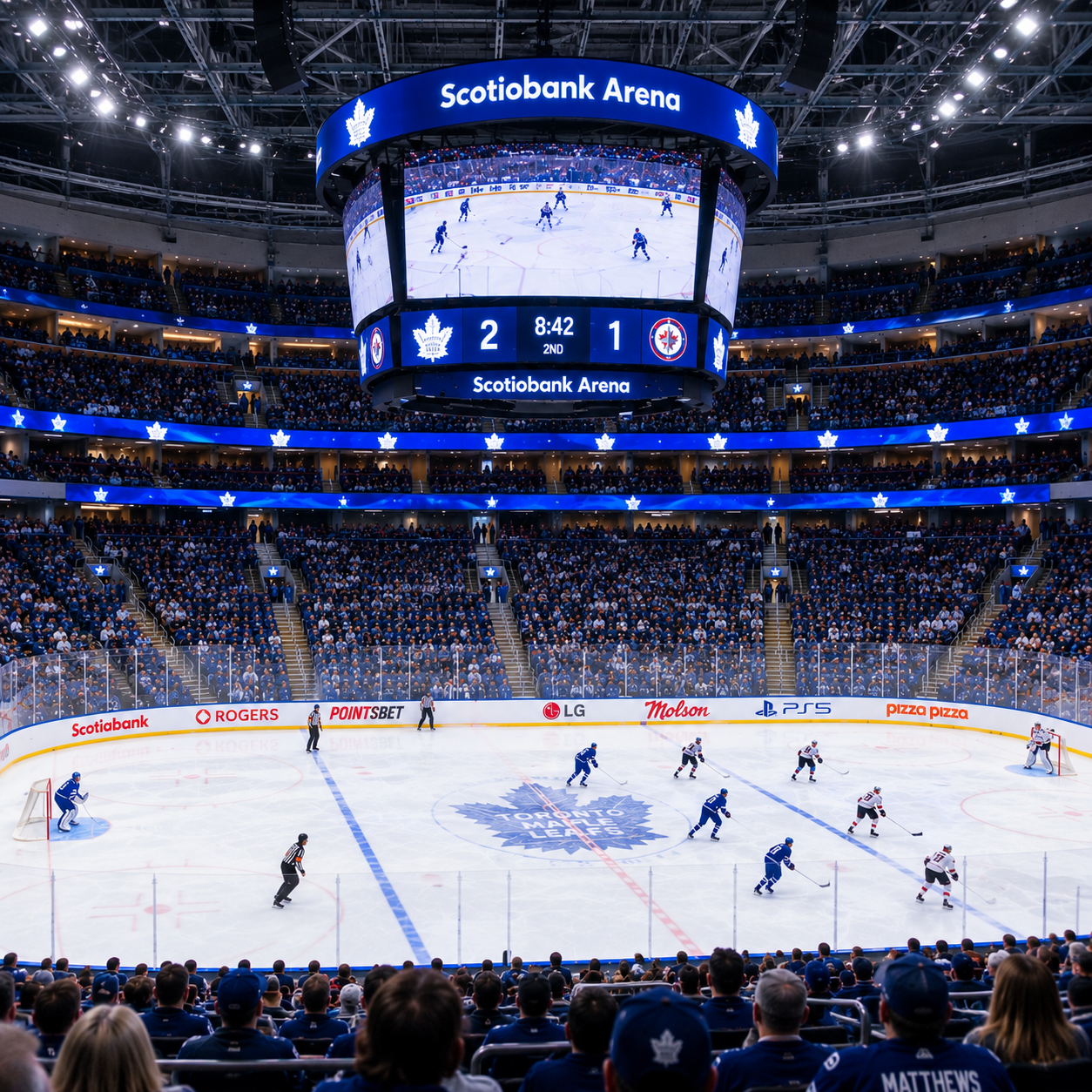
An indoor hockey rink needs carefully managed temperature and humidity. The ice must stay frozen while the building remains comfortable for players, staff and spectators. Depending on the facility, ventilation, heating and dehumidification systems help control these conditions.
The resulting environment can affect your eyes, particularly if you’re sensitive to dry air.
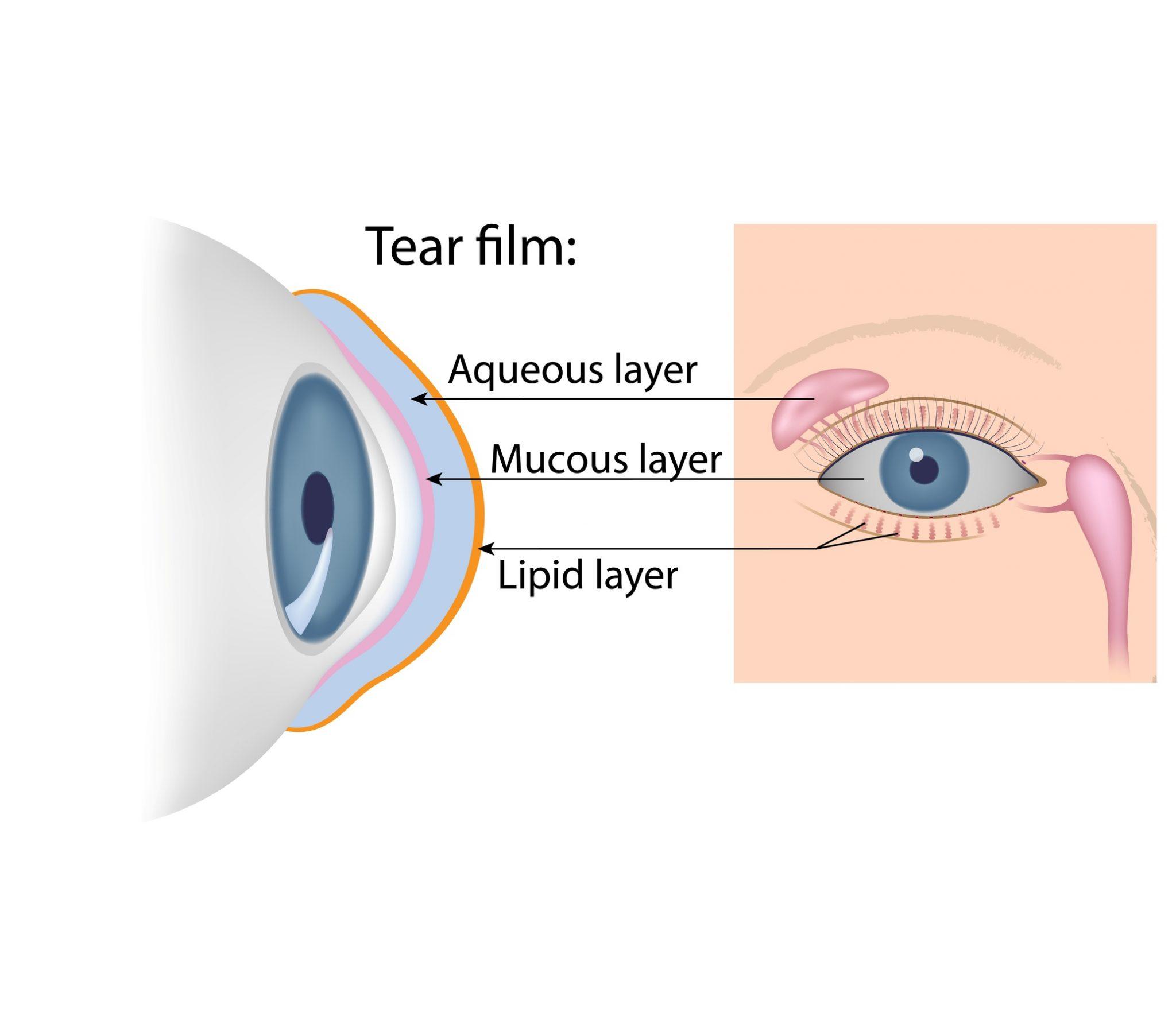
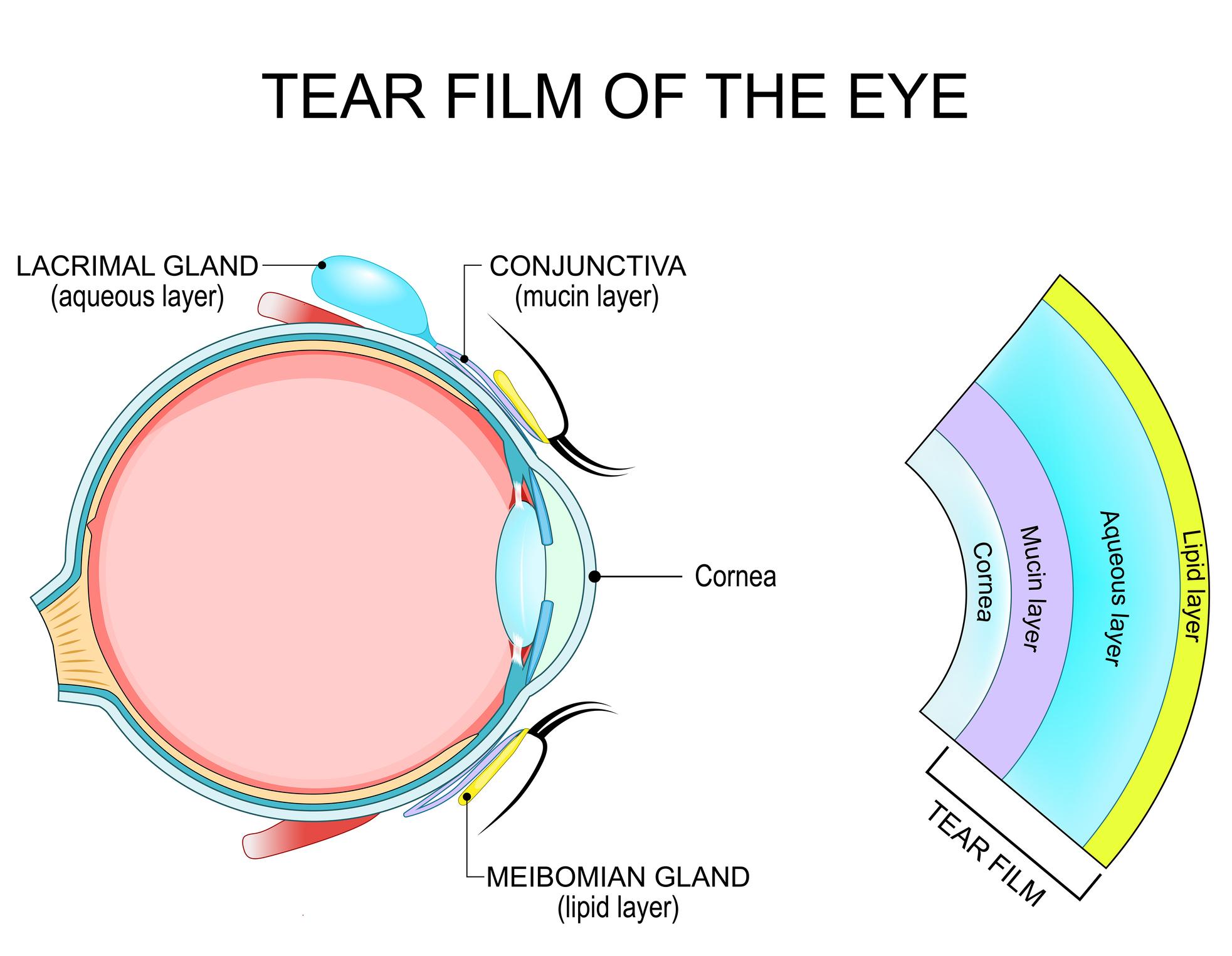
Your eyes are covered by a thin tear film made up of oil, water and mucus. This layer keeps the eye’s surface lubricated and helps maintain clear vision. When tears evaporate too quickly or don’t contain the right balance of components, your eyes can feel dry or gritty.
Not every arena has the same humidity or airflow, so symptoms will vary from person to person. Still, people who already experience dry eyes may notice more discomfort in environments with dry air or direct airflow.
How Low Humidity and Cold Air Affect Your Eyes
Cold outdoor air often contains less moisture than warm air. Once that air enters a heated building, the indoor environment can feel dry, particularly during winter. Low humidity increases tear evaporation, which can leave your eyes feeling irritated.
Air conditioning and dry indoor heating can have a similar effect. Ventilation systems also move air around a building, and a vent blowing directly toward your face can make the discomfort worse.
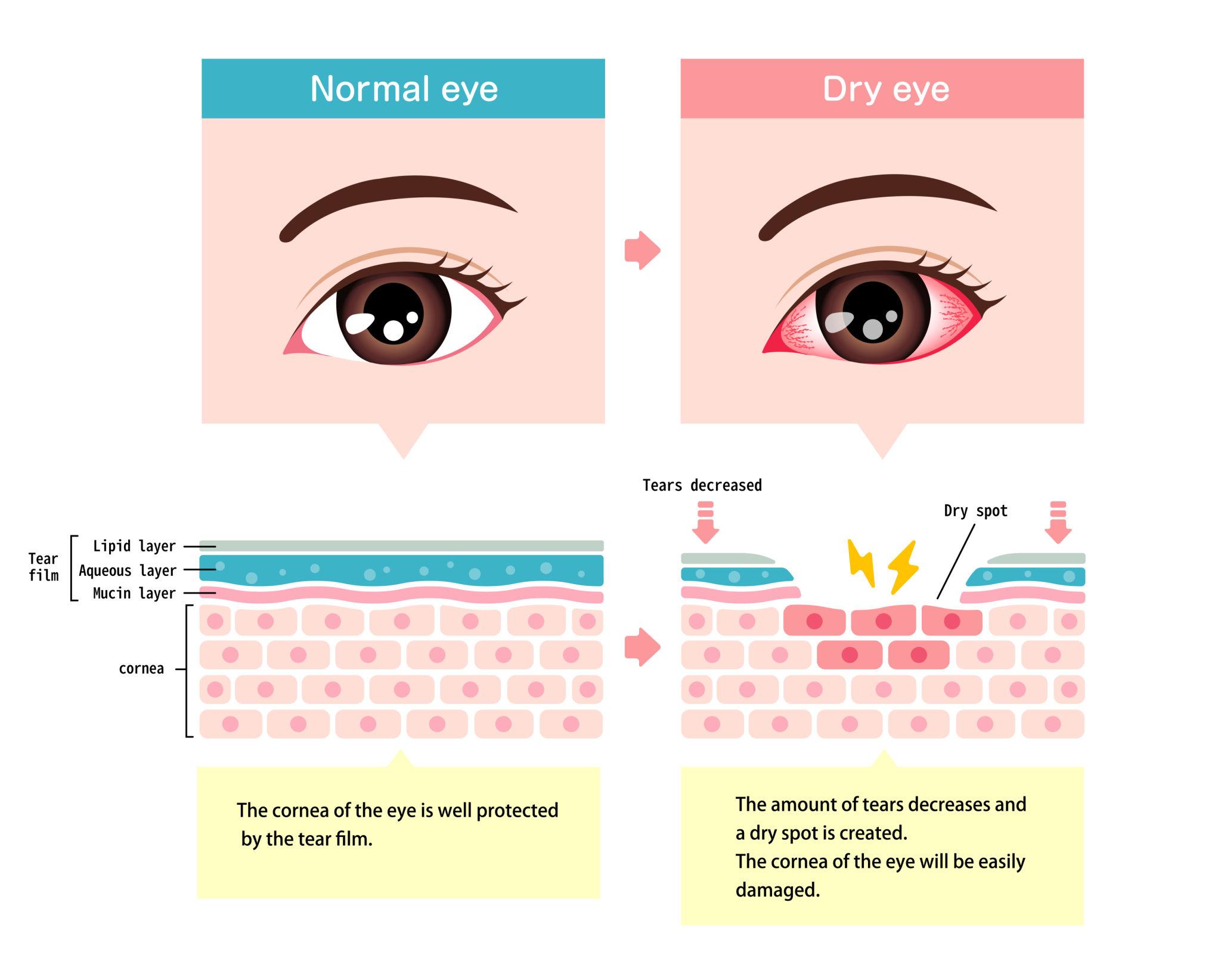
Common dry eye symptoms in winter include:
- A burning, stinging or scratchy sensation
- Redness or sensitivity to light
- A feeling that something is stuck in your eye
- Blurred vision or eye fatigue
- Watery eyes, even when your eyes feel dry
Watery eyes might seem unrelated to dryness, but irritation can trigger reflex tearing. These extra tears do not necessarily correct the underlying problem with your tear film.
Can Ventilation Make Dry Eyes Worse?
Yes. Air moving across the surface of your eyes can speed up tear evaporation. At a hockey game, you might notice this when a ventilation outlet blows toward your seat or when cold air reaches your face near an entrance.
You can’t control an arena’s ventilation system, but you can make a few adjustments. If possible, choose a seat away from a direct stream of air. When waiting near an entrance, move away from strong drafts if your eyes start to sting.
The same principle applies outside the arena. Avoid directing vehicle heaters toward your face, and consider wearing glasses or sunglasses that help shield your eyes from wind when walking outdoors.
Can Contact Lenses Make Dry Eyes Worse?
Contact lenses can contribute to dry-eye symptoms, especially if your eyes are already sensitive to low humidity or airflow. You might notice discomfort, a gritty feeling or blurred vision as the game progresses.
If you wear contacts, follow the wearing schedule recommended by your eye care professional. Avoid rubbing your eyes, and do not keep wearing lenses that cause significant discomfort.
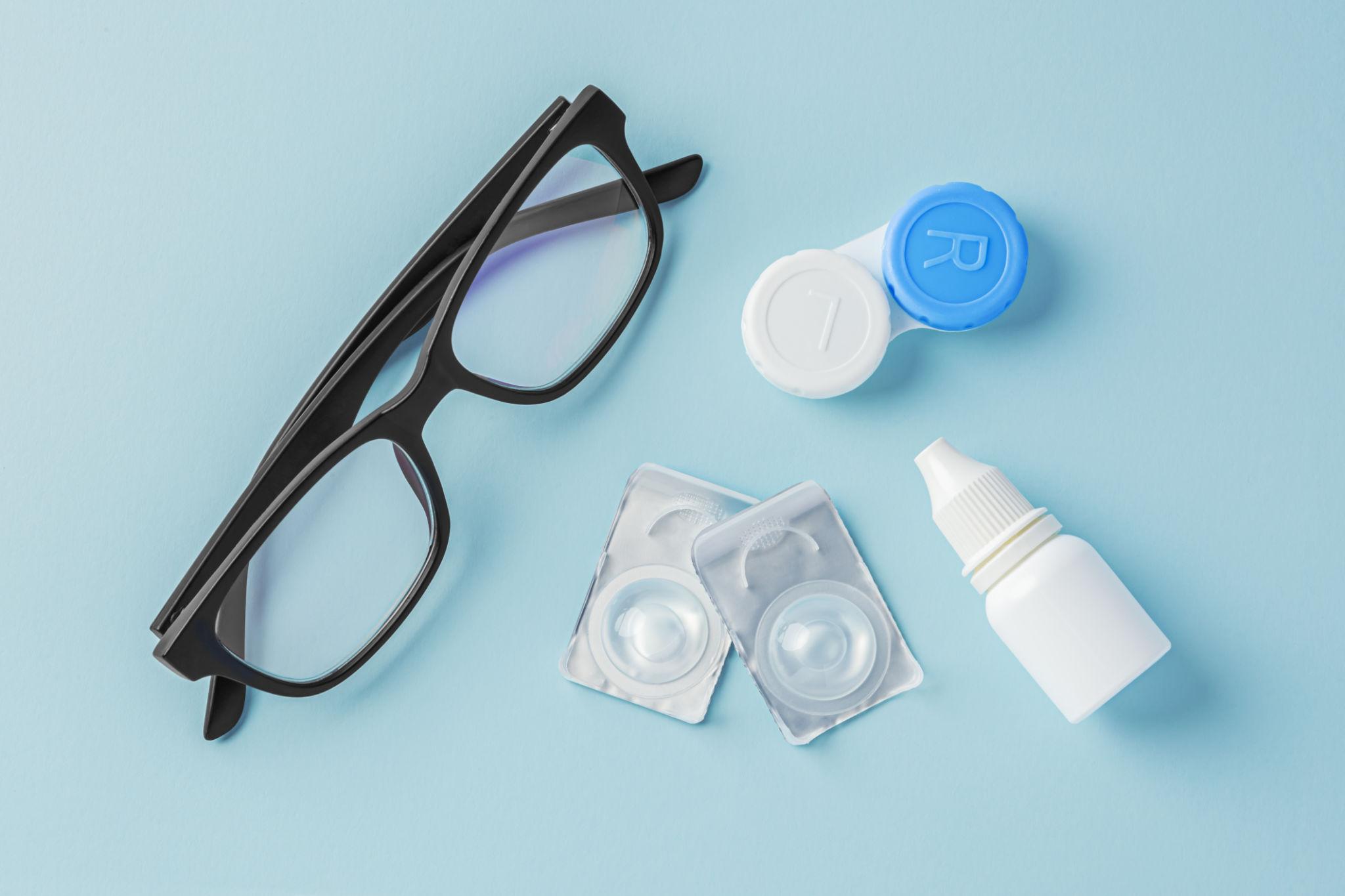
Lubricating eye drops for contact lenses can help relieve dryness, but check the label to confirm that the drops are compatible with your lenses. Some products are intended for use only after lenses have been removed. If you’re unsure which drops to choose, ask your optometrist or pharmacist.
You can also read more about common myths about wearing contact lenses in winter and whether heat and cold can damage contact lenses.
Dry Eye Prevention Tips for Hockey Games
A few practical changes can help keep your eyes more comfortable before, during and after a game.
Use suitable artificial tears
Artificial tears lubricate the eye’s surface and can relieve occasional dryness. Choose a product that suits your symptoms, and check with an eye care professional if you need drops frequently. If you wear contacts, make sure the product is approved for use with them.
Keep air from blowing directly at your face
Choose a seat away from a strong draft when possible. Outside the arena, wraparound glasses or sunglasses can help shield your eyes from cold wind.
Blink regularly
When concentrating on fast-moving play, you might blink less often. Remembering to blink fully helps spread tears across the eye’s surface.
Take contact lens discomfort seriously
If your lenses begin to feel uncomfortable, remove them when it is safe to do so and switch to glasses if you have them. Never rinse or store contact lenses in tap water.
Consider your usual lens routine
If you frequently experience dryness while wearing contacts, ask your optometrist whether a different lens type or wearing schedule would suit you better. You can explore daily contact lenses as one option to discuss with your eye care professional.
When to See an Optometrist
Occasional dryness during a game may improve when you move away from a draft or use suitable lubricating drops. However, persistent symptoms deserve attention, especially if your eyes are regularly red, irritated or uncomfortable.
Arrange an eye examination if dryness continues, affects your contact lens wear or interferes with everyday activities.
Seek prompt medical attention for significant eye pain, sudden changes in vision or marked sensitivity to light.
Hockey arenas don’t affect everyone’s eyes in the same way. Paying attention to the air around you, choosing suitable eye drops and adjusting your contact lens routine can help you enjoy the game with less discomfort.
Everything your eyes need, all in one place
Shop top brands in contact lenses and sunglasses at trusted low prices.
Shop VisionProsDisclaimer: This article is for general information only and isn’t meant to replace advice, diagnosis, or treatment from a qualified healthcare professional.
References
- Canadian Association of Optometrists. (2023, March 27). Dry eye (ocular surface disease). https://opto.ca/eye-health-library/dry-eye-ocular-surface-disease
- Mayo Clinic. (2022, September 23). Dry eyes: Diagnosis and treatment. https://www.mayoclinic.org/diseases-conditions/dry-eyes/diagnosis-treatment/drc-20371869
- Mayo Clinic. (n.d.). Dry eyes: Symptoms and causes. https://www.mayoclinic.org/diseases-conditions/dry-eyes/symptoms-causes/syc-20371863
- Mayo Clinic News Network. (2022, March 16). Mayo Clinic Q and A: Relief for dry eyes. https://newsnetwork.mayoclinic.org/discussion/mayo-clinic-q-and-a-relief-for-dry-eyes/
- Palmowska, A., & Lipska, B. (2018). Research on improving thermal and humidity conditions in a ventilated ice rink arena using a validated CFD model. International Journal of Refrigeration. https://doi.org/10.1016/j.ijrefrig.2017.11.016