








You spend the whole afternoon at the beach. Sun’s out, water’s calm, everything feels great. No stinging, no redness, no warning signs at all.
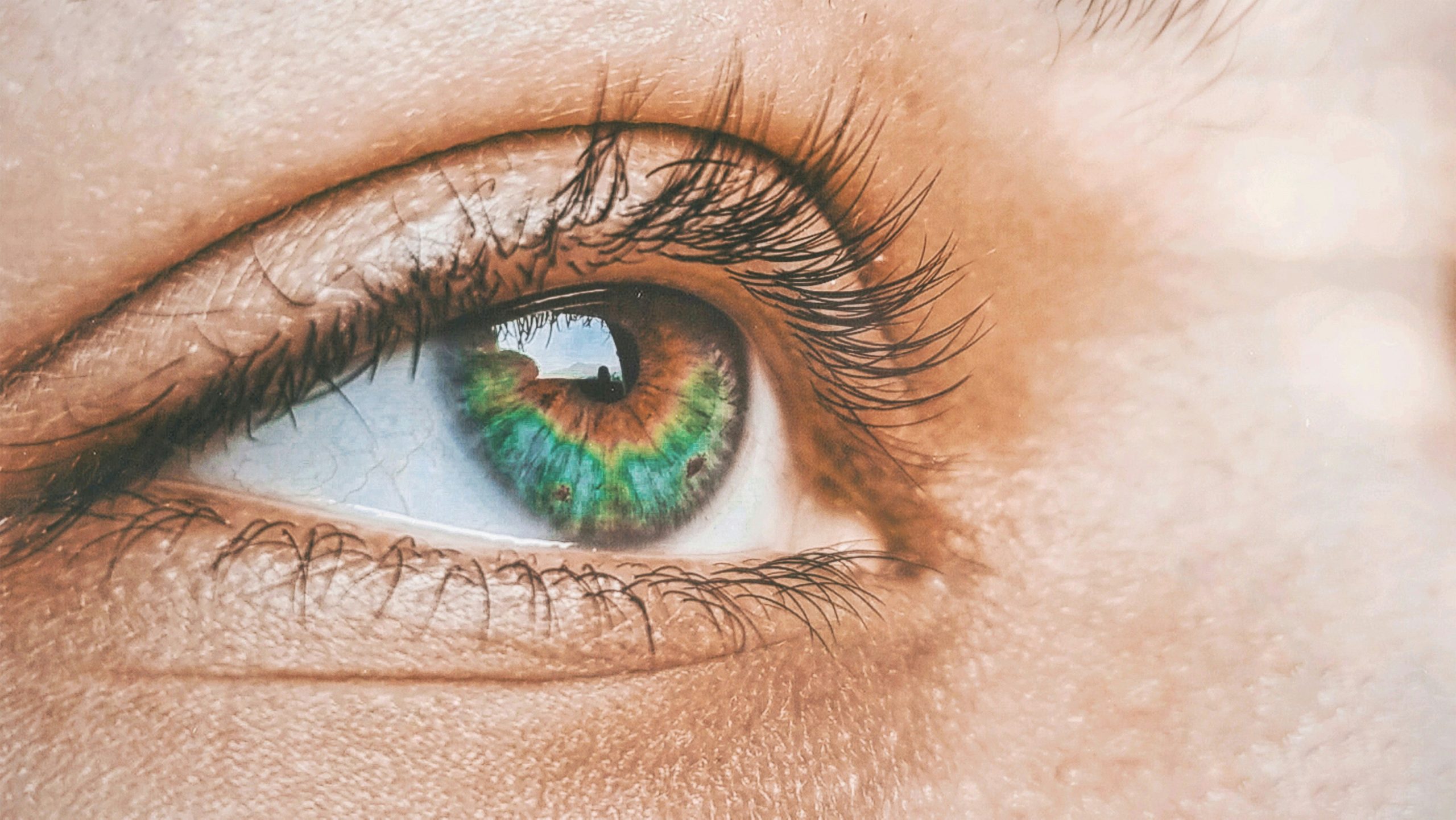
Then, at 2 a.m., you’re jolted awake. Your eyes feel like they’re full of sand. You can’t keep them open. Light, even the glow from your phone, feels unbearable.
Your first instinct might be “pink eye.” But that middle-of-the-night timing is actually the biggest clue that something else is going on.
It’s Probably Not an Infection
That delayed, dead-of-night onset is the calling card of photokeratitis, essentially, a sunburn on the surface of your eye. Unlike a splinter or a scratch, UV damage doesn’t hurt while it’s happening. There’s no thermal receptor in the eye to sound the alarm in real time, so you can be outside for hours with zero discomfort while damage is already underway.
Symptoms typically show up 6 to 12 hours after exposure, which is exactly why so many people end up in an ER or urgent care clinic well after midnight, convinced they’ve caught pink eye from a towel, a pool, or a stranger’s sunscreen. In reality, it’s the sun.
This isn’t a rare fluke, either. Research tracking emergency department visits for this condition found that up to 90% happen between 8 p.m. and 8 a.m., with cases clustering heaviest between midnight and 4 a.m., and visits climbing noticeably around summer weekends and holidays like the Fourth of July. The mix-up with pink eye is well documented too: one public health investigation into a UV-related eye injury outbreak found that well over half of patients were initially misdiagnosed with infectious conjunctivitis, dry eye, or an allergic reaction before the real cause was identified.
Why UV Can Burn Your Eyes
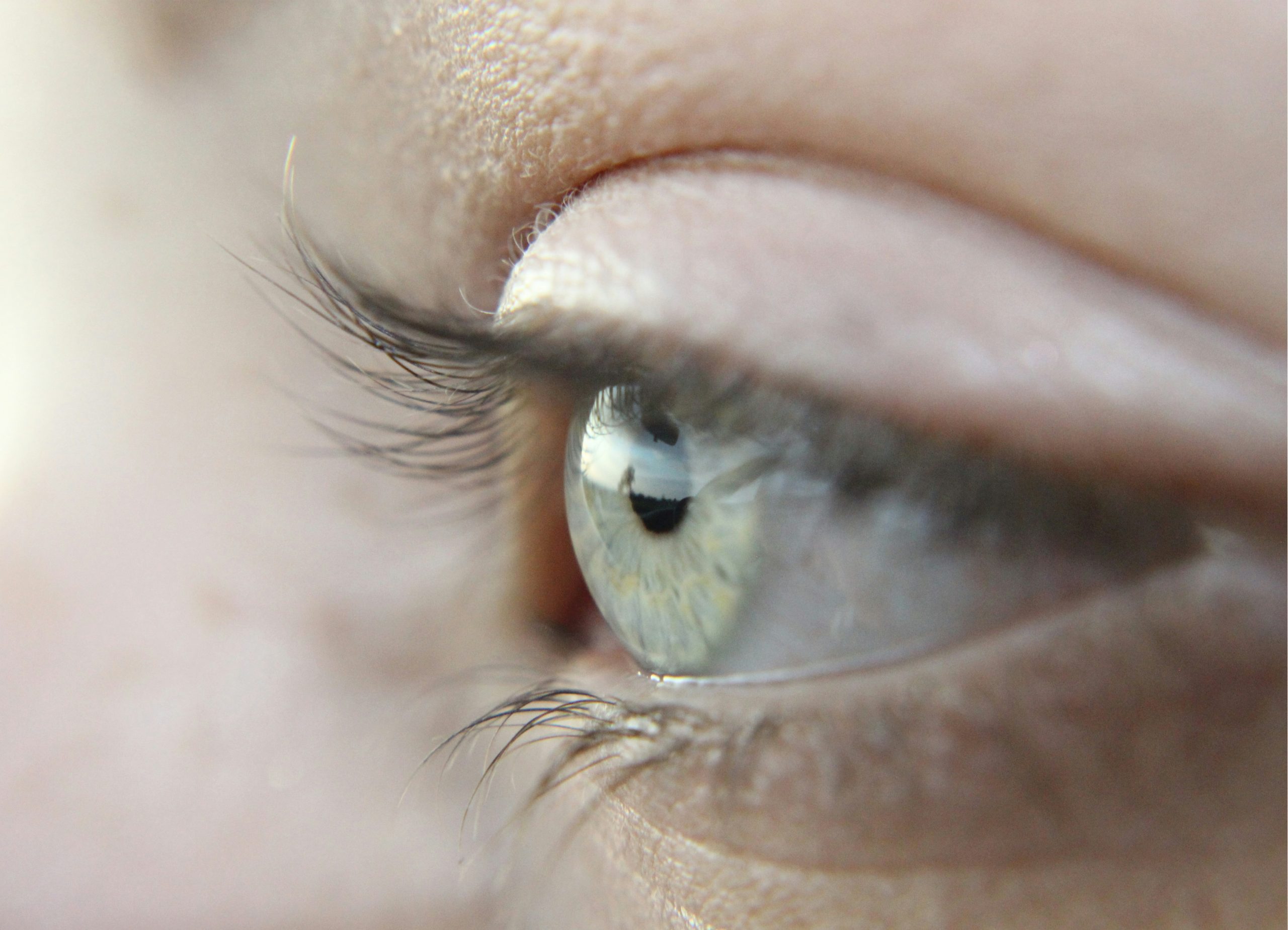
Your cornea, the clear window at the front of your eye, takes the brunt of UV exposure so the rest of your eye doesn’t have to. Most environmental damage comes from UVB rays, which are absorbed by the outermost layer of corneal cells, called the epithelium.
Here’s the timeline your eyes go through, even though you can’t feel it:
That delayed pain isn’t random, it’s the direct result of your cornea losing its protective outer layer right as those nerve endings become exposed to air, light, and blinking. Studies on the condition describe this as a multi-step breakdown at the cellular level: UV exposure first halts normal cell turnover, then triggers swelling and internal damage inside the cells, and finally causes the tight junctions holding surface cells together to give way, which is what allows them to slough off and expose the nerve layer underneath. Most eyes fully recover within 24 to 72 hours as the surface regenerates on its own.
Recovery: What Actually Helps
The good news is that most cases resolve on their own within a day or two. While you’re healing:
- Rest your eyes. A dark, quiet room helps reduce strain on already-sensitive eyes.
- Use artificial tears if recommended by an eye care professional to help keep the surface comfortable.
- Skip contact lenses until you’re cleared to wear them again, a compromised corneal surface and contacts are not a good combination.
- See a professional if symptoms are severe, don’t improve within a couple of days, or only affect one eye (a sign it might not be sun-related at all).
The Summer Takeaway
Sunscreen gets all the attention, but your eyes need protection too, and it has nothing to do with how dark your lenses look. The real safeguard is UV-blocking sunglasses that fit close to your face, worn every time you’re outside, cloud cover or not.
That protection gap is bigger than most people realize. A national survey on sunglass habits found that only about 31% of adults wear sunglasses every single time they head outdoors, and nearly 42% still believe darker lenses automatically mean better UV protection, a myth that can actually make things worse, since dark tints cause the pupil to open wider without necessarily blocking any more UV.
This summer, before you head to the water, the trail, or the concert lawn, make sure your sunglasses are doing more than just looking good.
Sources
- Changing Incidence and Characteristics of Photokeratoconjunctivitis During the COVID-19 Pandemic. National Library of Medicine (PMC). pmc.ncbi.nlm.nih.gov/articles/PMC11112667
- Photokeratitis Linked to Metal Halide Bulbs in Two Gymnasiums — Philadelphia, Pennsylvania, 2011 and 2013. MMWR, Centers for Disease Control and Prevention. cdc.gov/mmwr/volumes/65/wr/mm6511a4.htm
- Ultraviolet Radiation Albedo and Reflectance in Review: The Influence to Ultraviolet Exposure in Occupational Settings. National Library of Medicine (PMC). pmc.ncbi.nlm.nih.gov/articles/PMC6069363
- Photokeratitis in Outdoor Event Participants Exposed to UV Radiation Display. National Library of Medicine (PMC) / JAMA Ophthalmology, 2024. pmc.ncbi.nlm.nih.gov/articles/PMC11066757
- Spare Your Sight: Using Shades for Protection and Style. The Vision Council. thevisioncouncil.org/sites/default/files/TVC_UV_Report2016.pdf
- Photokeratitis Induced by Ultraviolet Radiation in Travelers: A Major Health Problem. National Library of Medicine (PMC). pmc.ncbi.nlm.nih.gov/articles/PMC5820813