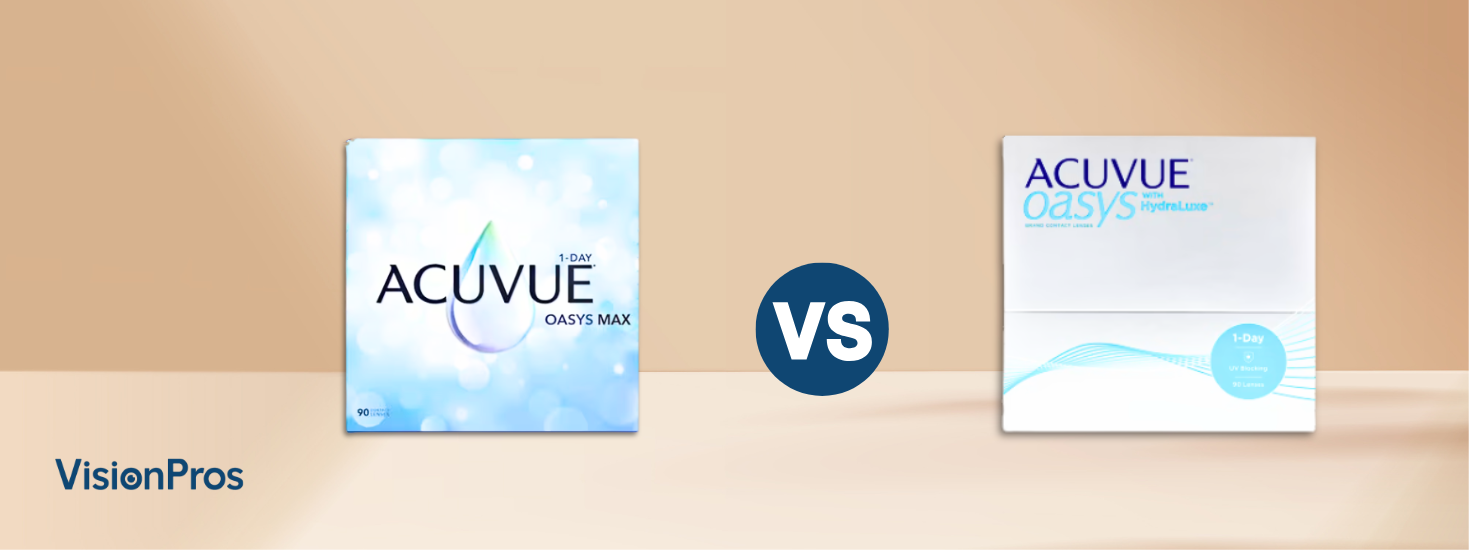










Weekly, or bi-weekly, lenses are a popular choice. They provide a good balance between the convenience of daily disposables and the value of monthly lenses. Bi-weekly lenses have a 1–2 week replacement schedule.
Let’s review the features that make certain bi-weekly lenses the top choice for comfort and clear vision.
Why Choose Bi-Weekly Lenses?
Bi-weekly lenses hit a sweet spot between value and hygiene. They are less costly than daily disposables but provide better hygiene than monthly lenses because you replace them more frequently. This balanced approach supports both eye health and a tight budget.
Replacing lenses every 14 days significantly reduces the buildup of protein deposits, allergens, and environmental irritants. This keeps the lenses feeling clean and comfortable until replacement day. This frequent replacement is a major benefit for people who suffer from seasonal allergies or those who live in dusty areas. The 14-day schedule is easier for many people to adhere to than a full 30-day schedule, which directly promotes better eye health and reduces the chance of irritation or infection from overuse.
Key Features for Comfort and Vision
Modern bi-weekly lenses use advanced features to ensure all-day comfort, which is required during long wear periods.
Oxygen Flow and Deposit Resistance
The material composition of the lens is a major factor in comfort. Many bi-weekly lenses are made of silicone hydrogel. This advanced material allows high oxygen flow to reach the cornea. Proper oxygen flow keeps eyes white, healthy, and less prone to irritation at the end of the day. Bi-weekly lenses must also resist protein and lipid buildup over two weeks of wear. This resistance is a direct factor in maintaining clear vision and comfort throughout the full wearing period.
Moisture Technology
Advanced moisture technology helps the lens retain water. This is the main comfort factor for all-day wear, especially in dry office or winter environments. These technologies, often integrated directly into the lens surface, keep the lens smooth and wet. This reduces friction when you blink, improving clarity and comfort. Choosing a lens with high water retention is necessary for people who spend long hours on screens.
Comparing Top Bi-Weekly Contact Lenses
Here are the features that make these bi-weekly contacts popular choices:
| Product Name | Replacement Schedule | Feature Highlight |
|---|---|---|
| ACUVUE OASYS | 1–2 Week | High oxygen flow, HydraClear Plus technology for dry environments. |
| ACUVUE OASYS FOR ASTIGMATISM | 1–2 Week | Stabilized design for astigmatism correction; works well in dry air. |
| ACUVUE 2 | 1–2 Week | Simple, time-tested design for reliable comfort and easy handling. |
| ACUVUE OASYS FOR MULTIFOCAL | 1–2 Week | Corrects presbyopia with high oxygen flow and comfort. |
| SERENITY | 1–2 Week | High-definition vision with modern silicone hydrogel material. |
| SERENITY TORIC | 1–2 Week | Astigmatism correction with superior breathability. |
| SOFLENS 38 | 1–2 Week | Low water content lens designed for durability and low deposit formation. |
| Soflens 59 | 1–2 Week | Excellent deposit resistance for consistent clear vision. |
| PURE HD | 1–2 Week | Silicone hydrogel lens designed for clear, crisp vision. |
| PURE COLORS HD | 1–2 Week | Bi-weekly colored lens for cosmetic use with clear vision. |
Specialized Needs in Bi-Weekly Designs
The bi-weekly modality includes designs for complex vision needs, such as astigmatism and presbyopia.
Astigmatism Correction
Lenses with a toric design are widely available in this modality. Toric lenses, such as ACUVUE OASYS FOR ASTIGMATISM and SERENITY TORIC, correct astigmatism. They feature specific stabilization zones, often utilizing gravity or eyelid pressure, to keep the lens from rotating on the eye. This stability is required to hold clear lines of focus and prevent blurred vision.
Multifocal Correction
For people with presbyopia, multifocal bi-weekly lenses, like ACUVUE OASYS FOR MULTIFOCAL, are an effective solution. These lenses allow you to see clearly at distance, intermediate, and near ranges without needing reading glasses. They merge different powers into one lens design.
Getting Started with Bi-Weekly Lenses
Before starting with a bi-weekly brand, you must consult an eye doctor. The doctor performs a comprehensive fitting. This exam determines the correct base curve and diameter for a proper fit. A good fit keeps the lens centered and stable.
A trial period is common. During this time, you wear the brand the doctor recommends to confirm comfort and vision clarity before settling on a specific purchase.
You must strictly adhere to the 14-day schedule. You must discard the lenses on the 14th day, even if they still feel comfortable, to avoid eye health issues caused by deposit buildup and reduced oxygen flow. Never attempt to clean and re-use a bi-weekly lens after the two-week mark. Adherence to the replacement schedule supports long-term eye health.
FAQs About Bi-Weekly Contact Lenses
1. Do bi-weekly lenses require special solution?
Yes. Clean and disinfect bi-weekly lenses every night with fresh, approved multipurpose solution. Never top off old solution.
2. Can I sleep in bi-weekly contacts?
No, unless your eye doctor has prescribed an extended-wear option. Remove bi-weekly lenses before sleeping.
3. Are bi-weekly lenses better than daily lenses for dry eyes?
Daily lenses suit many with sensitive or dry eyes because a fresh pair avoids deposits. Some bi-weekly silicone hydrogel lenses offer strong moisture and oxygen too, but dailies still tend to be the easiest on dryness.
4. How is a bi-weekly lens different from a monthly lens?
Bi-weekly lenses are built for 14 days of wear. Monthly lenses are made for 30 days. Always follow the schedule on your specific prescription.