








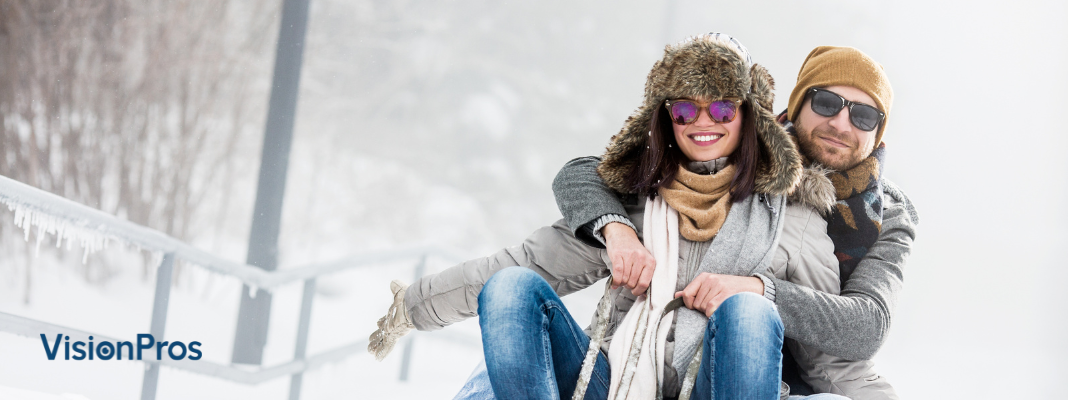
Most people think of sunglasses as a summer accessory, but they are just as important in winter. Snow reflects sunlight, the sun sits lower in the sky, and cold wind dries your eyes. A good pair of sunglasses reduces glare, blocks UV rays, and keeps your eyes comfortable in every season.
5 Reasons Why You Should Wear Sunglasses in the Winter
1. Protection from UV Rays
UV rays are present year-round, even on cloudy days. Snow reflects up to 80% of sunlight, increasing UV exposure from both above and below. Over time, this can lead to lasting eye damage and skin issues around the eyes.
Prolonged exposure to UV light has been linked to several conditions:
- Cataracts – UV light speeds up clouding of the lens, causing blurry vision.
- Age-related macular degeneration – UV exposure can harm the macula, leading to gradual central vision loss.
- Eyelid skin cancer – The delicate skin around your eyes is prone to UV damage.
- Pterygium – A benign growth that can spread onto the cornea and affect sight.
Always choose sunglasses that block 100% of UVA and UVB rays (look for “UV400”). Polarized lenses help reduce glare but are not a substitute for UV protection.
2. Prevent Snow Blindness
If you spend time skiing, hiking, or skating outdoors, you risk photokeratitis, also known as snow blindness, a painful sunburn of the cornea caused by reflected light from snow and ice.
Symptoms include:
- Eye redness or swelling
- Excessive tearing
- Light sensitivity
- Seeing halos
- Headaches
While it usually heals on its own, snow blindness is extremely uncomfortable. Prevent it by wearing wraparound sunglasses or goggles that block UV light from all directions.
3. Keep Out Wind, Dust, and Debris
Cold winds can carry particles of ice, dust, or sand that irritate the eyes, especially if you wear contact lenses. Sunglasses act as a physical shield that helps keep these from entering your eyes.
They also slow tear evaporation, reducing dryness and irritation caused by cold air. Wraparound frames offer the best protection for winter conditions.
4. Reduce Glare
Winter sunlight often reflects off snow, wet roads, and vehicles, creating glare that interferes with vision. This makes driving or outdoor activities uncomfortable and sometimes unsafe.
Polarized sunglasses cut down reflections and sharpen contrast. Brown or grey tints provide clarity while keeping colours natural and balanced.
5. Add Style to Your Winter Wardrobe
Sunglasses are both functional and fashionable. When winter layers cover most of your outfit, a stylish pair of shades adds personality and confidence. Choose classic black frames for versatility or go bold with patterns or bright colours to add some life to grey days.
Best Sunglasses to Buy for Winter
If you want reliable protection that performs well in cold and bright conditions, consider these VisionPros favourites:
- Ray-Ban RB2132 New Wayfarer – Timeless design with polarized lenses for crisp winter views.
- Oakley Holbrook – Built for outdoor sports with durable frames and glare protection.
- Maui Jim Red Sands – Lightweight, polarized, and excellent for high-glare environments like ski resorts.
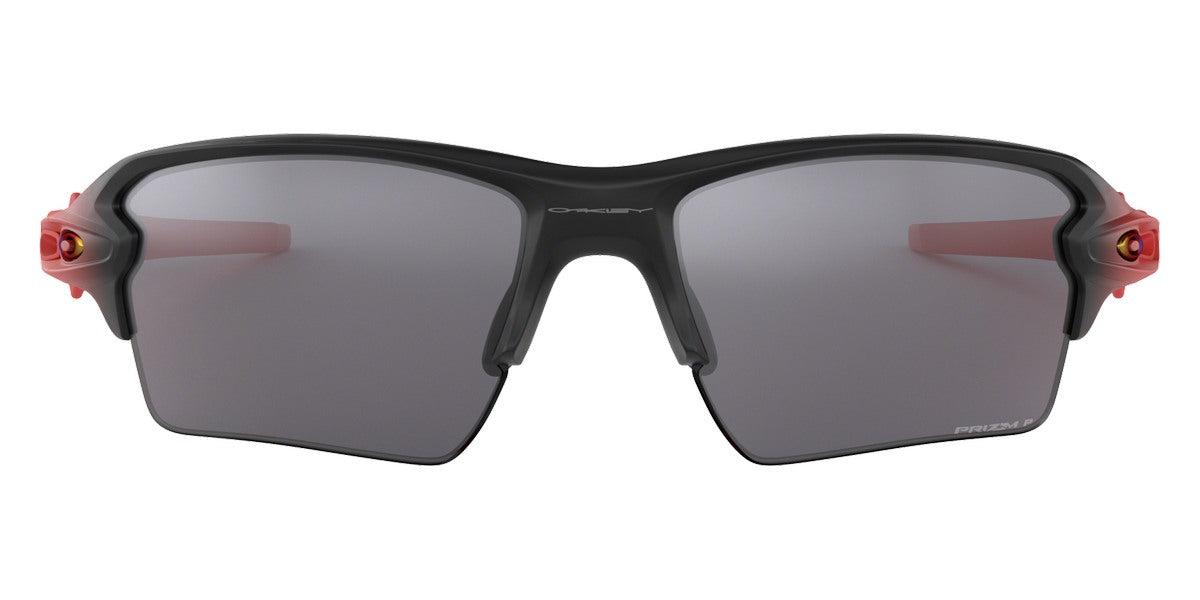
- Oakley OO9188 – Wraparound sport frame that blocks side light. Good for skiing, hiking, and winter driving on bright days.
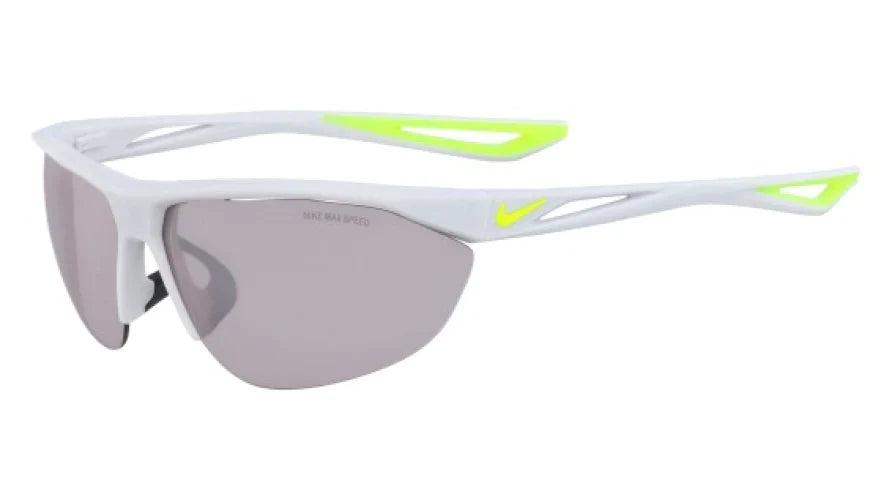
- Nike Tailwind Swift EV0983 – Secure fit built for movement. Polarized lenses cut glare on snowy routes.
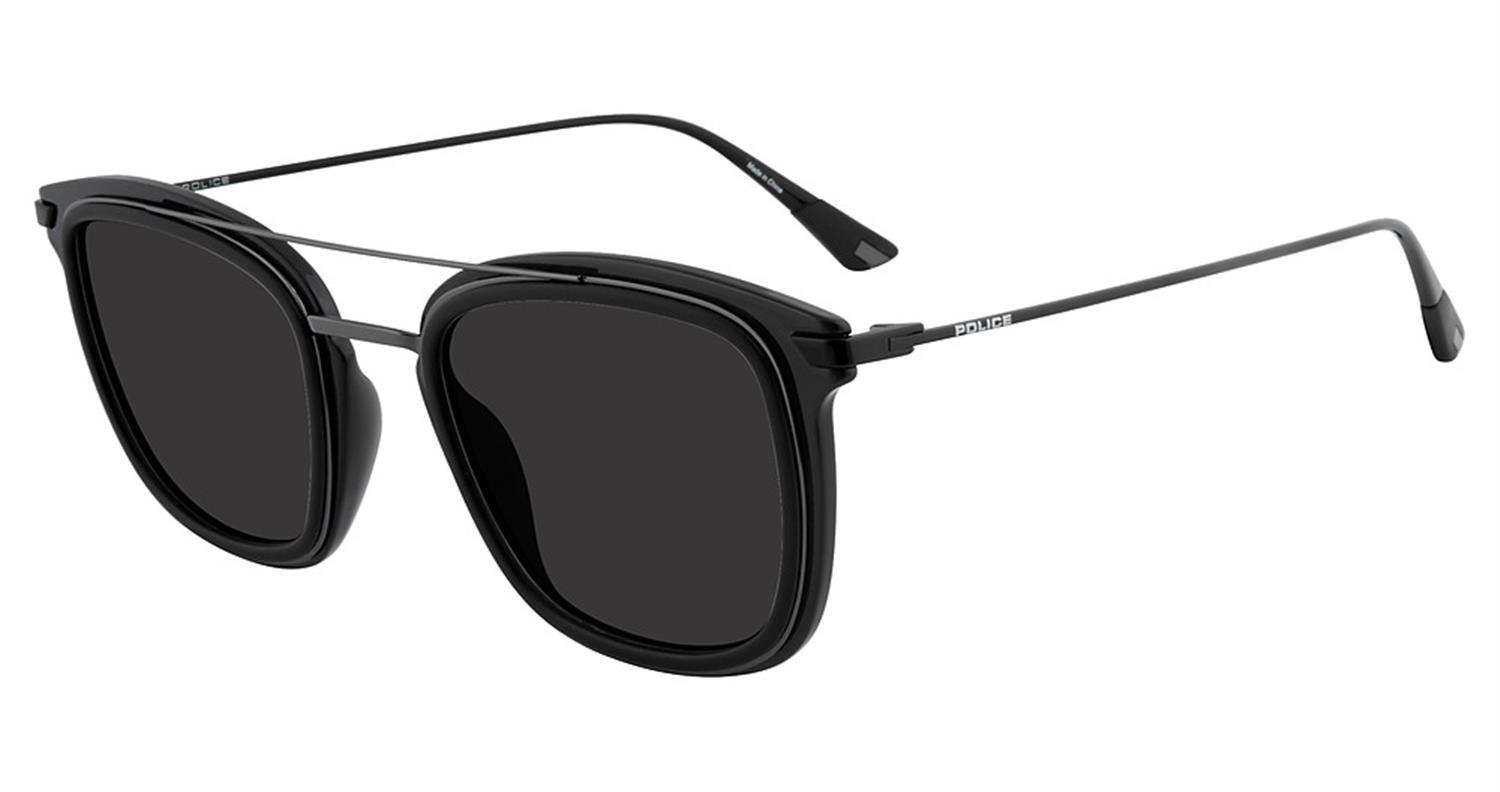
- Police SPL725 – Bold frame with large lenses and a snug fit. Helps reduce glare in bright or windy conditions.
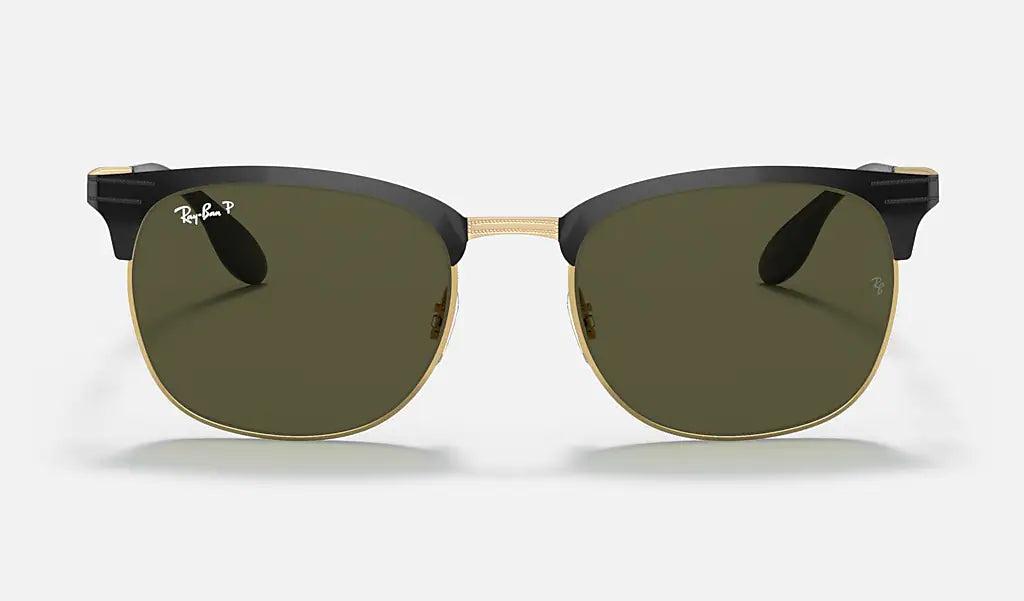
- Ray-Ban RB3538 -Durable metal frame with polarized lenses. Reduces reflections from snow and wet roads.
FAQs About Sunglasses in Winter
1. Are UV rays still harmful during winter?
Yes. UV rays remain strong year-round, and snow can reflect up to 80% of sunlight, doubling your exposure.
2. What sunglasses work best for snow and ice glare?
Polarized sunglasses with full UV protection reduce glare and improve clarity on bright, snowy days.
3. Can I wear regular sunglasses for skiing or snowboarding?
Regular sunglasses work for mild conditions, but wraparound goggles provide better wind and UV protection in high-altitude areas.
4. Do I need sunglasses on cloudy days?
Yes. Up to 80% of UV rays can still pass through clouds, so sunglasses are useful even when it’s overcast.
5. Are polarized sunglasses enough for winter eye safety?
Polarized lenses cut glare but don’t block UV rays by themselves. Always choose ones labelled 100% UVA and UVB protection.