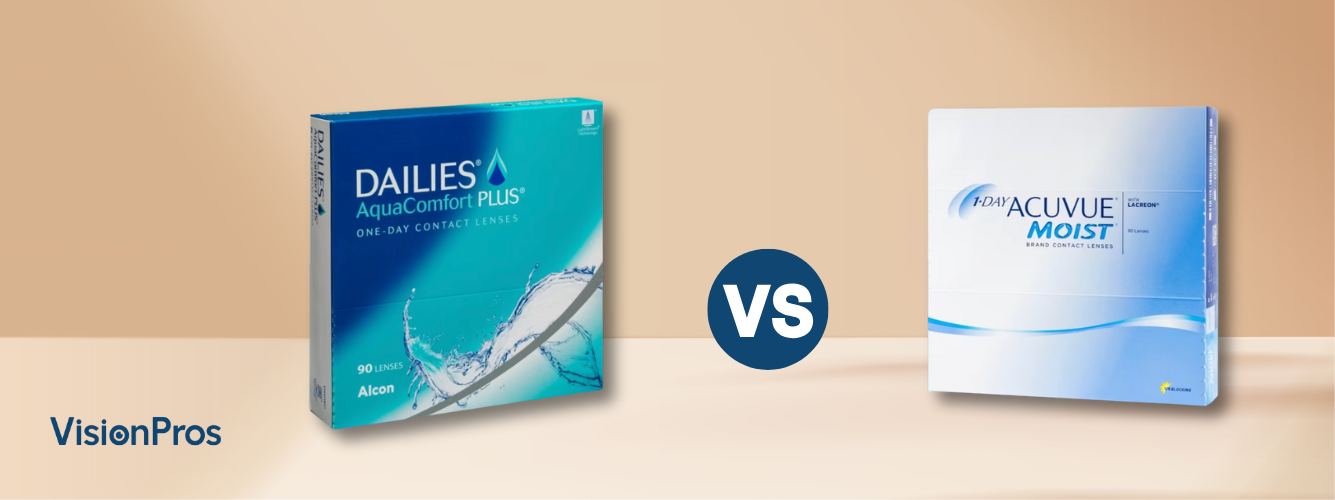










Thinking of switching your contact lenses? With so many lens types available, it helps to know what suits your lifestyle, eye health, and budget. Here’s a clear look at what to consider before making a change.
1. Match Your Lenses to Your Lifestyle
Your daily activities and environment play a major role in choosing the right lenses. Outdoor workers often need lenses that handle exposure to wind, sunlight, and dust, ideally with UV protection and high durability. Indoor workers may need lenses that retain moisture longer to counteract dry indoor air from heating or air conditioning
2. Choose the Right Replacement Schedule
Every lens type has pros and cons based on how often it’s replaced.
| Lens Type | Pros | Cons |
|---|---|---|
| Daily | Fresh lens every day with lower infection risk | More expensive over time |
| Weekly | Balance between hygiene and cost | Requires cleaning and care |
| Monthly | Affordable for regular wearers | Higher maintenance and buildup risk |
- Daily lenses are convenient and hygienic, perfect for people with allergies or those who wear contacts occasionally.
- Weekly lenses provide a balance between cost and cleanliness.
- Monthly lenses work best for experienced wearers comfortable with cleaning and storage routines.
3. Consider Age-Related Vision Changes
As eyesight changes with age, some wearers need lenses designed for both near and far vision.
If reading up close has become harder, multifocal contact lenses can help correct presbyopia without needing reading glasses.
4. Focus on Comfort and Moisture Retention
Comfort depends on both the fit and the material of your lenses.
If you’ve moved from outdoor to indoor work or live in a dry climate, look for lenses that hold moisture longer or are made for dry-eye relief.
5. Take Health Conditions and Allergies Into Account
If you deal with allergies or frequent eye irritation, shorter-wear lenses such as daily disposables can reduce buildup and keep eyes comfortable.
Regular replacement helps prevent irritation caused by deposits or allergens.
6. Compare Costs and Long-Term Value
Daily lenses might appear more expensive upfront but save money on cleaning supplies.
Weekly and monthly lenses are more affordable per box but require ongoing care products and maintenance time.
Factor in your wear frequency, lifestyle, and overall comfort when comparing costs.
7. Make Sure the Fit Is Right
A proper fit affects both comfort and vision clarity.
If lenses feel uncomfortable or vision becomes blurry, it might be time to check your base curve and prescription. These measurements determine how well a lens sits on your eye.
Always consult your optometrist before switching to a new lens type. VisionPros Canada does not provide medical advice and recommends consulting a licensed eye-care professional for fitting and prescription guidance.
When to Revisit Your Contact Lens Choice
Switching lenses should feel like an upgrade, not a guess. Evaluate your comfort, clarity, and convenience every few months, especially after lifestyle or prescription changes.