









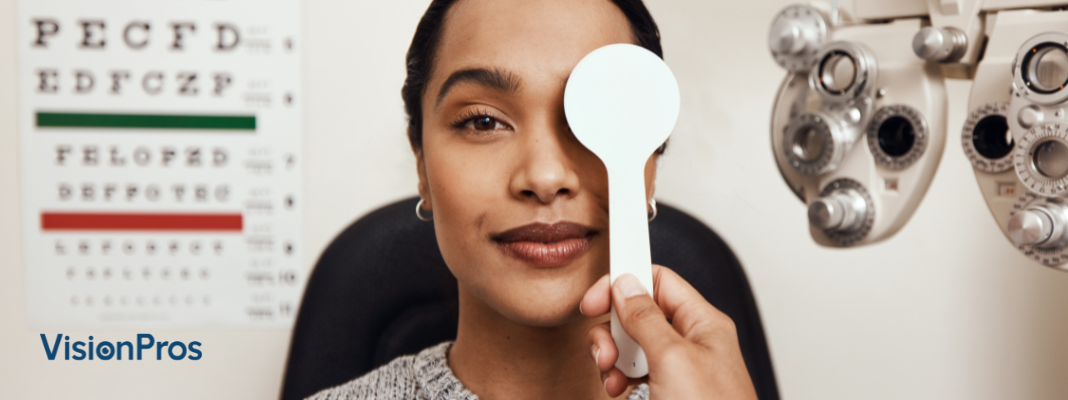
A contact lens exam is a specialized vision assessment that goes beyond the parameters of a standard eyeglass examination. While a comprehensive eye health exam evaluates the internal and external structures of the eye for disease, a contact lens exam focuses on the unique physiological requirements of wearing a medical device directly on the ocular surface. Because contact lenses sit in immediate contact with the cornea, they must be fitted with extreme precision to ensure both clear vision and the long-term health of the eye tissues.
For many Canadians, the decision to move from eyeglasses to contact lenses is driven by a desire for a wider field of view and increased convenience for active lifestyles. However, a prescription for eyeglasses cannot be used to purchase contact lenses. The distance between the lens and the eye is different, and the physical dimensions of the eye must be mapped to ensure a safe and comfortable fit. A contact lens exam provides the necessary measurements and evaluations to transition safely into lens wear.
The Difference Between Eye Exams and Contact Lens Exams
It is common for patients to assume that a regular eye exam includes everything needed for contact lenses. While both exams involve checking visual acuity and ocular health, they serve distinct purposes. A standard exam determines the power needed for eyeglasses, which sit approximately twelve millimetres away from the face. A contact lens exam focuses on the cornea, the clear front surface of the eye, where the lens will physically rest.
A contact lens exam typically occurs in addition to a comprehensive eye exam. During this specialized appointment, the optometrist performs several additional tests to assess how the eye will react to a foreign object. These tests evaluate the curvature of the cornea, the quality of the tear film, and the overall compatibility of the eye with different lens materials. Without these extra steps, a wearer may experience physical discomfort, blurred vision, or even corneal damage.
Technical Measurements of the Ocular Surface
To find the correct lens, the eye care professional must take precise measurements of the eye’s anatomy. These measurements ensure that the lens is neither too tight, which can restrict oxygen, nor too loose, which can cause irritation and unstable vision.
- Keratometry and Corneal Topograph – The optometrist uses a keratometer to measure the curvature of the cornea. For more detailed mapping, corneal topography may be used to create a three-dimensional map of the eye surface. This map reveals any irregularities or steepness that might require specialized lens designs, such as toric lenses for astigmatism.
- Pupil and Iris Measurements – The size of the pupil and the diameter of the iris are measured to ensure the contact lens is large enough to cover the necessary area. This is particularly important for multifocal lenses or for patients who frequently drive at night, as it prevents light from reflecting off the edges of the lens.
- Tear Film Evaluation – Since contact lenses rely on the natural moisture of the eye to remain comfortable, the doctor must assess tear production. Using tests like the Schirmer test or tear break-up time (TBUT) evaluation, the professional determines if the eye produces enough high-quality tears to support a lens without causing excessive dryness.
Trial Lenses and the Fitting Process
Once the initial measurements are complete, the optometrist will select a pair of trial lenses. These diagnostic lenses allow the wearer to experience the feel and visual performance of a specific brand and material before committing to a full supply.
The fitting process involves placing the trial lenses on the eyes and allowing them to settle for several minutes. The optometrist then uses a slit-lamp microscope to evaluate how the lens sits on the eye. They look for proper centration, meaning the lens stays aligned with the pupil, and adequate movement, which allows tears to circulate under the lens to provide oxygen to the cornea. If the lens does not move correctly, the professional may try a different base curve or a different material entirely.
Instruction for New Wearers
For those who have never worn contact lenses, the exam includes a mandatory training session. This portion of the appointment is dedicated to teaching the patient how to safely handle their medical devices. Proper technique is essential for preventing eye infections and ensuring the lenses remain in good condition throughout their replacement cycle.
- Insertion and Removal – The patient must demonstrate that they can successfully put the lenses in and take them out without assistance.
- Hygienic Practices – The staff provides detailed instructions on handwashing and the use of approved contact lens solutions.
- Storage and Care – New wearers learn how to clean their lens cases and why it is dangerous to use tap water or saliva on their lenses.
- Wear Schedules – The optometrist explains the specific replacement schedule for the prescribed brand, whether it is a daily disposable, bi-weekly, or monthly lens.
Comparison of Eye Exam Types
The following table summarizes the primary differences between a comprehensive eye health exam and a specialized contact lens exam:
| Feature | Comprehensive Eye Exam | Contact Lens Exam |
|---|---|---|
| Primary Goal | Evaluation of eye health and vision clarity. | Assessment of suitability for lens wear and fit. |
| Prescription Output | Eyeglass prescription. | Contact lens prescription including BC and DIA. |
| Specialized Tests | Dilation, pressure testing, and retina checks. | Corneal mapping and tear film evaluation. |
| Physical Fitting | Not included. | Trial lens application and microscopic evaluation. |
| Patient Education | Focus on overall health and glasses care. | Focus on lens handling, hygiene, and safety. |
The Follow-Up Appointment
A contact lens exam is not truly complete until the follow-up appointment. After wearing the trial lenses for a week or two in their normal environment, the patient returns to the optometrist. This visit allows the professional to check for any signs of irritation or physiological changes that may not have been apparent during the initial fitting. If the lenses are performing well and the eyes show no signs of stress, the optometrist will finalize the prescription.
The final prescription will include specific details such as the brand of the lens, the power, the base curve (BC), and the diameter (DIA). Because contact lenses are regulated medical devices in Canada, this prescription is necessary to order your lenses from a trusted retailer like VisionPros. Regular annual exams are recommended to ensure that your prescription is still accurate and that your eyes continue to tolerate the lenses as you age.
Next Steps for Your Eye Health
If you are ready to transition to contact lenses or if your current prescription has expired, the first step is to book a specialized exam. Having a current and accurate prescription is the only way to ensure that your vision remains sharp and your eyes stay comfortable. Once your eye care professional has determined the best brand for your needs, you can easily maintain your supply and support your active lifestyle.
Note, you should never attempt to order contact lenses using an old glasses prescription. The measurements are fundamentally different and doing so can lead to significant ocular health risks. Always prioritize the professional guidance of your optometrist for the safest lens-wearing experience.
References
American Academy of Ophthalmology. What to Expect During a Contact Lens Exam (aao.org/eye-health/tips-prevention/contact-lens-exams). 2024.
Canadian Association of Optometrists. Eye Exam vs. Contact Lens Fitting (opto.ca/eye-health-library/eye-exam-vs-contact-lens-fitting). 2025.
U.S. Food and Drug Administration. Contact Lenses (fda.gov/medical-devices/contact-lenses). 2024.
Moorfields Eye Hospital NHS Foundation Trust. Your Contact Lens Assessment (moorfields.nhs.uk/for-patients/visual-aids/contact-lenses/contact-lens-assessment). 2025.
American Optometric Association. Contact Lens Care and Compliance (aoa.org/healthy-eyes/vision-and-vision-correction/contact-lens-care). 2025.