









November in Canada can already feel like winter, with chilly commutes and the heating switched on indoors. If you’re prone to dry eyes, you may notice more stinging, grittiness or watering as you move between cold outdoor air and heated rooms.
With colder months ahead, now’s a good time to prepare for dry eyes during winter. Reviewing your eye-care routine, keeping suitable eye drops and backup glasses handy, and choosing eyewear for windy days can help you manage discomfort as temperatures drop.
Why Are My Eyes Drier in Winter
According to the Canadian Association of Optometrists, low humidity during cold winter weather can contribute to dry eyes. Dry air and wind can make tears evaporate more quickly, leaving the eye’s surface less comfortably lubricated.
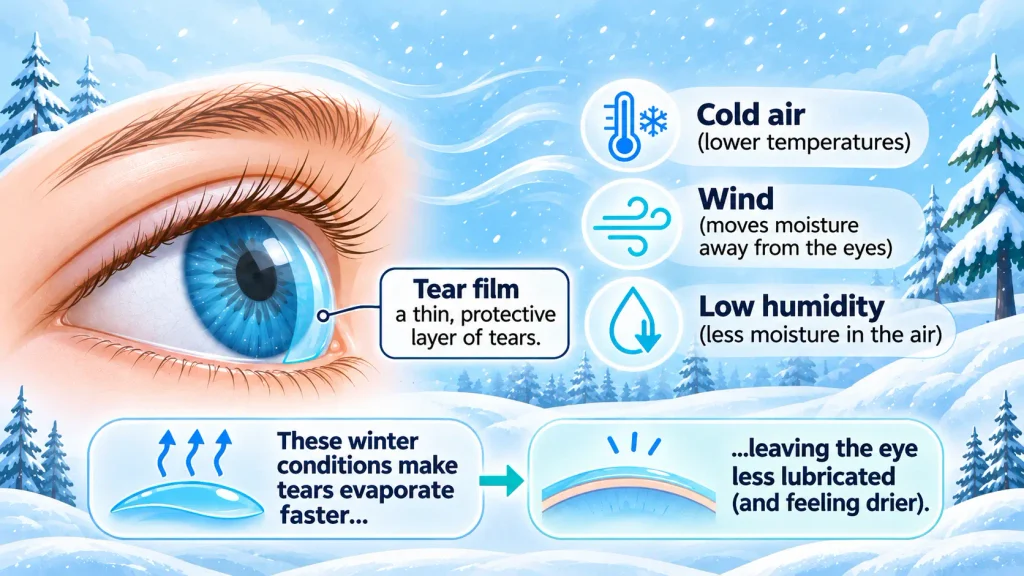
Dry eyes don’t always feel dry, either. Irritation can trigger extra tearing, so your eyes might water even while they feel gritty or uncomfortable. Watering alone doesn’t tell you what’s causing the problem.
Also
What Is the Biggest Cause of Dry Eyes
There isn’t one biggest cause that applies to everyone.
Dry eye develops when your eyes don’t make enough tears, your tears evaporate too quickly, or the tear film doesn’t work properly to keep the surface moist.
Age-related changes, hormonal changes, certain medicines and health conditions can all contribute. Spending time in windy or dry surroundings can add to the problem. Winter weather may aggravate an existing condition, even when it isn’t the underlying cause.
Does Indoor Heating Dry Out Your Eyes
Yes, indoor heating can contribute to dryness. Heating cold air lowers its relative humidity, and air blowing towards your face can make symptoms worse. That includes vents in your home, office and car.
Notice where you sit when your eyes start feeling uncomfortable. A desk beneath a heating vent or a car heater aimed at your face may be an exposure you can adjust. Redirecting the airflow is a practical place to start.
What Should You Prepare for Dry Eyes During Winter
Review your eye-care routine before winter
If your eyes flare up every winter or remain uncomfortable despite your usual care, arrange an optometrist appointment. Note when symptoms appear, which drops you use and whether they’re worse at home, at work or while wearing contacts.
An assessment can help identify factors affecting your tears and whether your existing care needs adjusting. If you already have a treatment plan, follow it and discuss changes with your optometrist.
Have suitable lubricating eye drops available
Artificial tears lubricate the eye’s surface and can relieve dry-eye discomfort. There isn’t one brand that works best for everyone, so ask an optometrist or pharmacist about a formulation that suits your symptoms.
If you need drops frequently or find that they irritate your eyes, ask about preservative-free options. Preservatives can bother some people, particularly with frequent use. Follow the product directions and any instructions from your eye-care professional.
Keep the drops you’ve been advised to use somewhere accessible during your day, and check the label’s storage instructions before leaving them in a bag or vehicle.
Prepare your home and workspace
A humidifier may help when the air in your home is dry. Consider the rooms where you spend the most time, such as your bedroom or home office, and check whether heating vents blow directly towards your usual seat.
Using a humidifier also means maintaining it. Empty, dry and refill a portable unit’s tank daily, and follow its cleaning instructions. If condensation appears on windows or nearby surfaces become damp, reduce the output or use it less. Excess moisture can encourage mould growth.
Choose eyewear for cold, windy days
Wraparound glasses or sunglasses can reduce direct wind exposure outdoors. For daytime use, choose sunglasses labelled with 100% UVA and UVB protection. UV protection still matters in winter, including when sunlight reflects off snow.
If you’re planning to ski or snowboard, include suitable protective goggles in your preparations. Check that your eyewear fits comfortably with the gear you’ll be wearing, particularly if you need prescription glasses underneath.
Keep backup glasses ready

Carry glasses so you can remove your contact lenses if they become uncomfortable. Having them with you makes it easier to respond to dryness during a commute, workday or winter trip.
If you use eye drops while your contacts are in, check that the label says they’re suitable for use with contact lenses. Don’t assume every lubricating drop is compatible. If discomfort continues, ask your optometrist to review your lens fit and eye health. A change in lenses may be appropriate for some people, but that decision should follow an assessment.
Plan regular screen breaks
Long periods of screen use can reduce how often you blink, contributing to dryness. Build short breaks into concentrated work and remember to blink regularly when reading or looking at a screen.
A reminder between meetings or work tasks can make the habit easier to maintain. Also check whether your screen setup puts you directly in the path of a heater, fan or vent.
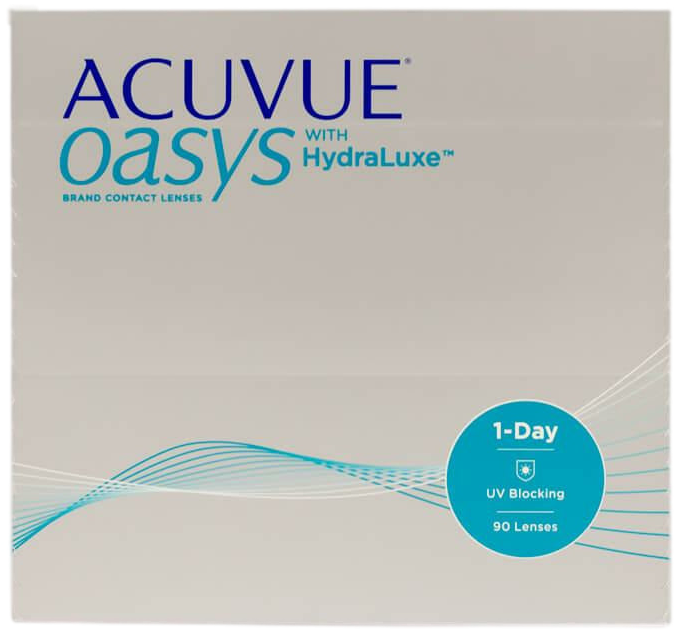
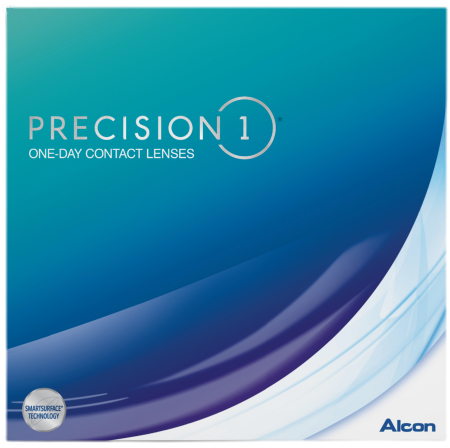
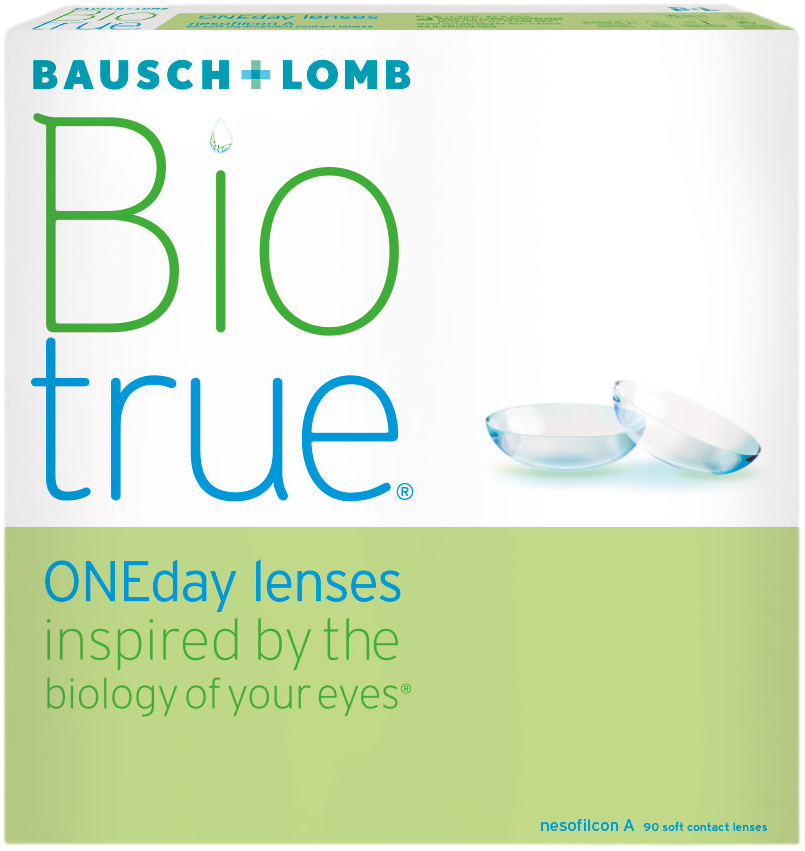
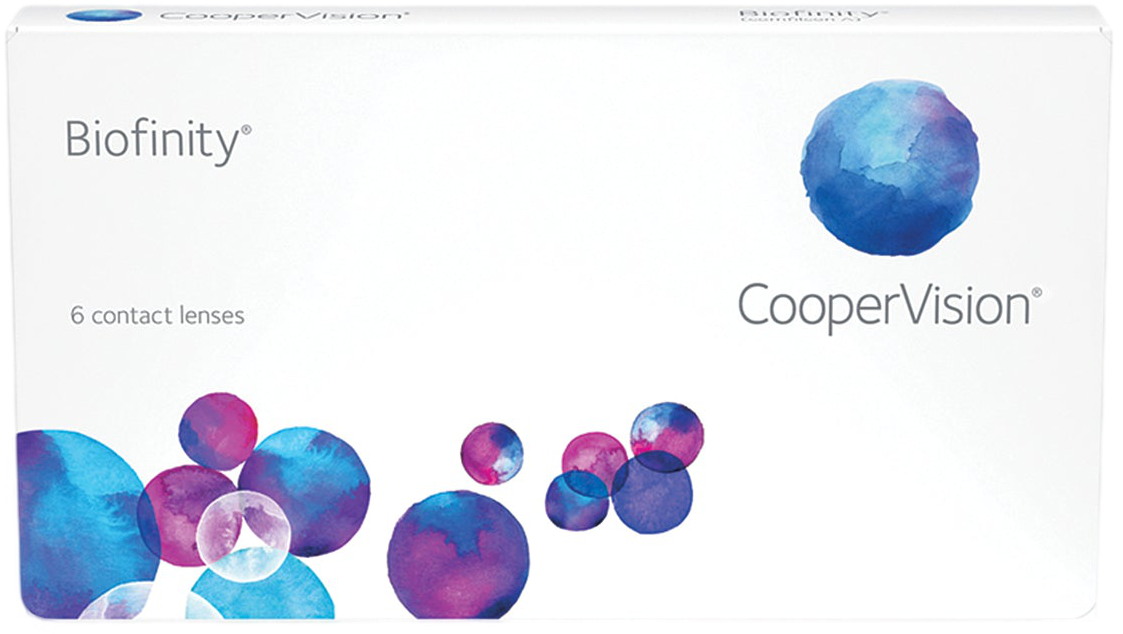
What Contact Lenses Are Good for Dry Eyes in Winter?
Some contact lenses are designed with moisture-retaining materials or technologies that support comfortable wear. Daily disposable lenses may also be worth discussing with your optometrist, particularly if you experience discomfort with reusable contacts.
However, no single contact lens works best for everyone during winter. Your prescription, tear film, lens material and wearing habits all influence comfort. If your contacts become uncomfortable in colder weather, ask your optometrist whether a different lens type or replacement schedule would be appropriate.

Swipe or drag to browse
Always use contact lenses prescribed and fitted by your eye-care professional.
When Should You See an Optometrist
Arrange an assessment if symptoms persist despite self-care or interfere with reading, work or contact lens wear. Continuing discomfort deserves attention even if it seems to happen only during winter.
A painful red eye, or a red eye when you wear contact lenses, needs urgent assessment. Remove your contacts and seek care rather than assuming the weather is responsible. Sudden vision loss requires emergency medical attention.
What People Mostly Ask about Winter Dry Eyes
Can dry eyes go back to normal?
Your eyes can feel more comfortable when triggers are reduced and treatment addresses the cause. However, chronic dry-eye disease often needs ongoing management. Feeling better doesn’t necessarily mean the underlying problem has disappeared, so follow your treatment plan and discuss recurring symptoms with your optometrist.
Is dry eye a vitamin deficiency?
Not necessarily. Vitamin A deficiency can contribute to dry-eye problems, but dryness alone doesn’t establish that you have a deficiency. Weather, tear-film problems, medicines and other health conditions can also be involved.
However, don’t assume supplements will solve winter dryness. Taking high-dose vitamin A supplements can be harmful, so speak with a healthcare professional before taking supplements to treat your symptoms.
Before your next cold-weather commute, check that your glasses and recommended eye drops are ready to take with you. If your usual routine still leaves you uncomfortable, make an optometrist appointment to review what needs to change.
References
Canadian Association of Optometrists. Winter Safety Tips. https://opto.ca/eye-health-library/winter-safety-tips
Canadian Association of Optometrists. Dry Eye (Ocular Surface Disease). https://opto.ca/eye-health-library/dry-eye-ocular-surface-disease
National Eye Institute. Causes of Dry Eye. https://www.nei.nih.gov/eye-health-information/eye-conditions-and-diseases/dry-eye/causes-dry-eye
National Eye Institute. Dry Eye. https://www.nei.nih.gov/eye-health-information/eye-conditions-and-diseases/dry-eye
American Academy of Ophthalmology. How Can I Tell What’s Causing My Dry Eye? https://www.aao.org/eye-health/diseases/how-can-i-tell-whats-causing-my-dry-eye
American Academy of Ophthalmology. Lubricating Eye Drops for Dry Eyes. https://www.aao.org/eye-health/tips-prevention/lubricating-eye-drops
U.S. Environmental Protection Agency. Use and Care of Home Humidifiers. https://www.epa.gov/indoor-air-quality-iaq/use-and-care-home-humidifiers
American Academy of Ophthalmology. How can I prevent my contacts from drying out in cold weather? https://www.aao.org/eye-health/ask-ophthalmologist-q/new-question-from-1-10-2025-11-48-48-am
NHS. Dry eyes. https://www.nhs.uk/symptoms/dry-eyes/
American Optometric Association. Dry eye. https://www.aoa.org/healthy-eyes/eye-and-vision-conditions/dry-eye
National Institutes of Health Office of Dietary Supplements. Vitamin A and Carotenoids Fact Sheet for Health Professionals. https://ods.od.nih.gov/factsheets/VitaminA-HealthProfessional/