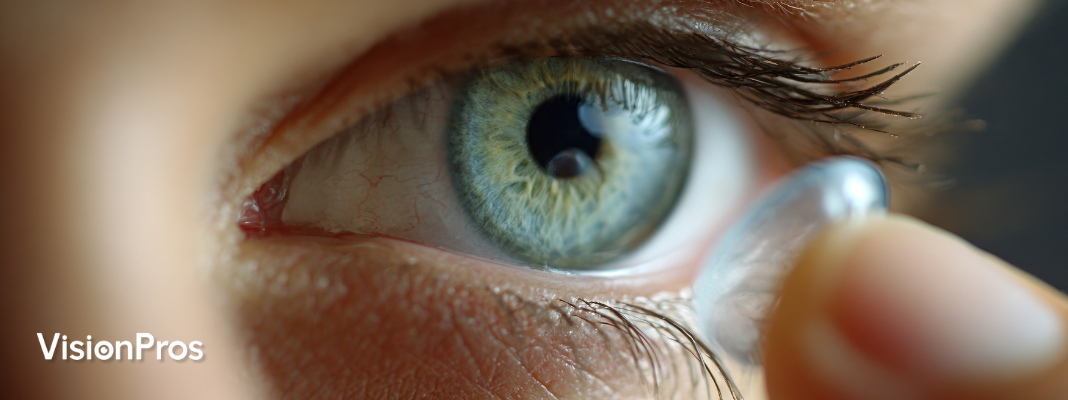










Double vision, clinically known as diplopia, is a visual disturbance where a single object appears as two separate images. This condition can be disorienting and often indicates an underlying issue with how the eyes and brain coordinate. Diplopia can manifest in two forms: monocular, which persists when one eye is closed, or binocular, which only occurs when both eyes are open. Understanding the various physiological and neurological factors that contribute to double vision is necessary for maintaining long-term ocular health.
When the visual system is functioning correctly, both eyes capture a slightly different image, and the brain merges these into a single, three-dimensional picture through a process called fusion. If the eyes are misaligned or the light is distorted as it enters the eye, this fusion process fails. This results in the perception of two distinct images that may be arranged horizontally, vertically, or diagonally.
Primary Types of Diplopia
To determine the cause of double vision, it is first necessary to categorize the condition based on how it presents during a visual assessment.
- Monocular Diplopia -This type of double vision occurs within a single eye. If you cover the unaffected eye, the double image remains. Monocular diplopia is almost always caused by a structural problem within the eye itself, such as an irregular cornea or a clouding of the natural lens.
- Binocular Diplopia – This form occurs only when both eyes are open and typically disappears when either eye is occluded. Binocular diplopia is caused by ocular misalignment, where the eyes are not pointing at the same object simultaneously. This is often the result of issues with the extraocular muscles or the cranial nerves that control them.
Common Physiological Causes
Many cases of double vision are linked to common refractive errors or anatomical irregularities on the surface of the eye. These issues interfere with how light is focused onto the retina.
Refractive Errors and Astigmatism
Astigmatism is one of the most frequent causes of monocular double vision. This condition occurs when the cornea or the internal lens has an irregular curvature, resembling the shape of a football rather than a perfect sphere. This irregularity causes light to focus on multiple points on the retina rather than a single focal point, leading to ghost images or double vision. Other uncorrected refractive errors, such as significant nearsightedness or farsightedness, can also strain the visual system and cause temporary diplopia.
Dry Eye Syndrome and Corneal Irregularities
A stable tear film is mandatory for clear vision. When the eyes do not produce enough high-quality tears, the surface of the cornea becomes dry and uneven. This irregular surface scatters light as it enters the eye, which can cause fluctuating double vision that often improves momentarily after blinking. Additionally, conditions such as keratoconus, where the cornea thins and bulges into a cone shape, can severely distort vision and cause persistent double images.
Cataracts and Lens Issues
The natural lens inside the eye must remain clear to focus light properly. As a person ages, the proteins in the lens can clump together, forming a cataract. This clouding causes light to scatter as it passes through the lens, which may result in seeing multiple images in the affected eye. A dislocated lens, though rare, can also shift out of position and lead to a significant visual disturbance.
Neurological and Systemic Causes
In cases of binocular diplopia, the cause is often found outside the eye itself. These cases involve the nerves and muscles that coordinate eye movement.
- Strabismus and Eye Muscle Weakness – Six extraocular muscles control the movement of each eye. If these muscles are weak or paralyzed, the eyes cannot align correctly. Strabismus, often referred to as crossed eyes, is a primary cause of this misalignment. While it often begins in childhood, adults can develop strabismus due to trauma or underlying health conditions.
- Cranial Nerve Palsies – Three specific cranial nerves are responsible for sending signals from the brain to the eye muscles. Damage to these nerves, often due to a lack of blood flow or inflammation, can lead to sudden double vision. This is frequently seen in individuals with uncontrolled diabetes or high blood pressure.
- Autoimmune and Neurological Disorders – Conditions such as Myasthenia Gravis can cause a breakdown in communication between the nerves and muscles, leading to muscle fatigue and double vision that worsens throughout the day. Multiple Sclerosis (MS) can also affect the optic nerve or the brainstem, disrupting the signals necessary for synchronized eye movement.
Nutritional Deficiencies and Eye Health

Proper nutrition is a foundational requirement for maintaining the nerves and tissues of the eye. Certain vitamin deficiencies are known to contribute to visual disturbances and diplopia.
- Vitamin A – This nutrient is required for the health of the cornea and the production of the pigments necessary for vision. A severe deficiency can lead to xerophthalmia, a condition characterized by extreme dryness and potential double vision.
- Vitamin B1 (Thiamine) – Thiamine is necessary for nerve function. A deficiency can lead to Wernicke’s encephalopathy, a neurological condition that often presents with nystagmus and double vision.
- Magnesium – This mineral supports the normal function of the retina and the extraocular muscles. Maintaining adequate magnesium levels helps prevent muscle spasms and supports overall ocular stability.
Technical Comparison: Monocular vs Binocular Diplopia
The following table outlines the technical differences between the two primary types of double vision:
| Feature | Monocular Diplopia | Binocular Diplopia |
|---|---|---|
| Definition | Double vision in one eye only | Double vision when both eyes are open |
| Effect of Covering One Eye | Double image persists | Double image disappears |
| Primary Causes | Astigmatism, cataracts, dry eye, corneal scars | Strabismus, nerve palsy, eye muscle weakness |
| Origin of Problem | Structural issue within the eyeball | Neuromuscular or coordination issue |
| Common Treatments | Corrective lenses, surgery, or hydration | Prism lenses, vision therapy, or Botox |
Next Steps for Visual Recovery
If you experience double vision, it is mandatory to schedule a comprehensive eye exam with an eye care professional immediately. Sudden-onset diplopia can occasionally signal a serious neurological event and requires urgent medical evaluation. An optometrist will use specialized tests, such as the cover test and corneal topography, to identify the exact cause and determine the correct course of action.
Treatment options vary widely based on the diagnosis and may include the use of specialized prism lenses to realign images or a new prescription for contact lenses to correct astigmatism. Addressing underlying health conditions, such as high blood pressure and diabetes, is also a primary step in preventing further vision changes. Once a professional recommendation is provided, you can find the appropriate corrective lenses to restore single, clear vision.
Note, double vision should never be ignored. Whether it comes and goes or is a persistent issue, a professional diagnosis is the only way to ensure your ocular and overall health are protected.
Sources
Health Canada: Vision Health and Eye Safety: canada.ca/en/health-canada/services/healthy-living/your-health/medical-information/eye-health.html
FDA: Contact Lenses and Vision Correction: fda.gov/medical-devices/contact-lenses
CDC: Common Eye Disorders: cdc.gov/visionhealth/basics/ced/index.html
American Academy of Ophthalmology: What is Diplopia: aao.org/eye-health/diseases/what-is-double-vision
NIH: Diplopia – Clinical Features and Management: ncbi.nlm.nih.gov/books/NBK441905/