








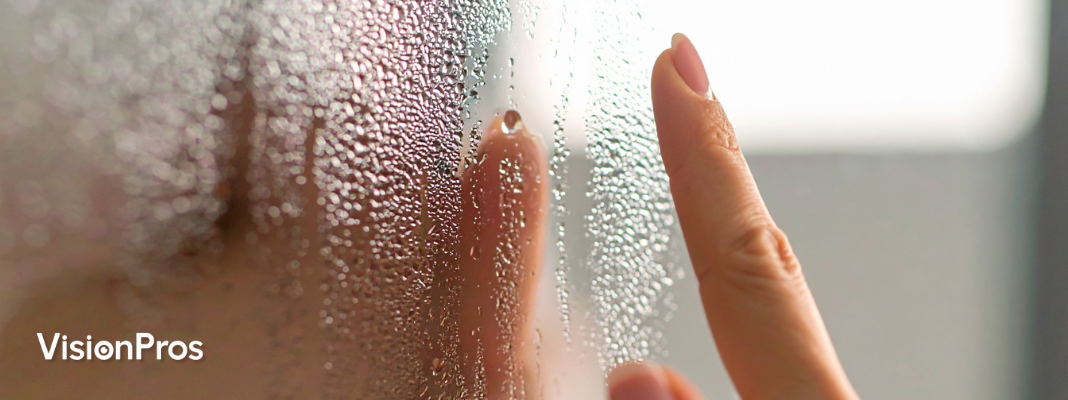
Humidity can influence how your contact lenses feel and perform. Whether you live in a damp coastal area or spend your days in an air-conditioned office, changes in air moisture can affect your comfort and vision. Understanding these effects helps you care for your lenses properly and maintain healthy eyes year-round.
The Science Behind Humidity and Contact Lenses
Soft contact lenses contain water to stay smooth and flexible. Their water content typically ranges between 38% and 75%, depending on the lens material. When humidity is high, lenses can absorb excess moisture from the air. This over-hydration can make them swell slightly, feel unstable on your eyes, and blur your vision.
In contrast, dry or low-humidity environments can cause lenses to lose moisture. This dehydration makes them stiffer and less breathable, which can lead to discomfort and irritation. Finding the right balance helps your eyes stay clear and comfortable in any condition.
How to Manage Contact Lenses in Humid Conditions
1. Choose the Right Type of Lenses
If you live in a humid area, lenses with lower water content tend to stay more stable. They are less likely to over-absorb moisture, helping you maintain consistent comfort throughout the day.
2. Use Rewetting Drops
Lubricating or rewetting drops help balance lens moisture. These drops mimic natural tears and keep your lenses comfortable without causing swelling or over-hydration.
3. Keep Your Lenses Clean
Moist conditions can promote bacterial growth. Always clean and disinfect your lenses as directed, and replace your storage case every three months to reduce contamination risk.
4. Visit Your Optometrist Regularly
Routine check-ups allow your eye care provider to assess how your eyes react to local humidity levels.
They can suggest lens materials or care routines that suit your environment.
5. Try Daily Disposable Lenses
If humidity often causes discomfort, daily disposables are a simple solution. Wearing a fresh pair each day minimizes buildup and keeps your lenses clean, soft, and comfortable.
Keep Your Vision Clear with VisionPros
Managing humidity is part of keeping your contact lenses comfortable and safe. By choosing the right lenses, maintaining good hygiene, and visiting your optometrist regularly, you can enjoy healthy eyes in any season.
FAQs About Humidity and Contact Lenses
1. Why do my contact lenses feel different in humid weather?
High humidity can cause contact lenses to absorb more moisture, leading to swelling or blurred vision. This can make lenses feel unstable on your eyes.
2. Can dry indoor air cause contact lens discomfort?
Yes. Air-conditioned or heated spaces lower humidity, drying out your lenses and making them feel stiff or irritating to wear.
3. Are daily disposable lenses better for humid climates?
Daily disposables can help prevent buildup and over-hydration. They’re discarded after each use, keeping your eyes fresh and comfortable every day.
4. What lens type works best for humid environments?
Lenses with lower water content perform better in humid weather since they’re less likely to over-absorb moisture from the air.
5. When should I see an optometrist about humidity-related issues?
If you experience ongoing dryness, redness, or blurred vision in humid or dry conditions, schedule an eye exam for proper evaluation and advice.